2026 Federal Education Standards: K-12 Curriculum Impact & Updates

Anúncios
The landscape of K-12 education in the United States is constantly evolving, driven by pedagogical advancements, societal needs, and legislative mandates. As we approach 2026, a significant shift is on the horizon with the introduction of new federal education standards that promise to reshape curricula, teaching methodologies, and student outcomes across all 50 states. This comprehensive guide delves into the specifics of these impending changes, their potential impact, and what educators, policymakers, parents, and students can expect.
Anúncios
Understanding the nuances of these new federal education standards is crucial for effective preparation and smooth transition. The goal is to foster a more equitable, rigorous, and future-ready educational system. From core subjects like mathematics and language arts to science, social studies, and even vocational training, every aspect of the K-12 experience is poised for transformation. This article will provide an in-depth analysis, incorporating the latest updates and expert insights to help stakeholders navigate this pivotal moment in American education.
The Impending Shift: What Are the 2026 Federal Education Standards?
The year 2026 marks a critical juncture for American education. While specific details are still being finalized and disseminated, the overarching objective of the new federal education standards is to establish a more unified and elevated benchmark for student achievement nationwide. Historically, education policy has largely been a state and local domain. However, federal initiatives, such as the Every Student Succeeds Act (ESSA) and its predecessors, have increasingly influenced state-level decisions. The 2026 standards represent a refined approach, aiming to address persistent achievement gaps, enhance global competitiveness, and ensure all students are prepared for college, career, and civic life.
Anúncios
These new federal education standards are not intended to be a one-size-fits-all curriculum mandate. Instead, they are designed to provide a framework of essential knowledge and skills that students should master at each grade level. States will retain significant autonomy in how they design their curricula to meet these standards, fostering innovation while ensuring a baseline of quality. The emphasis is expected to be on deeper learning, critical thinking, problem-solving, and the application of knowledge, rather than rote memorization. This philosophical shift is fundamental to the upcoming changes.
Key Areas of Focus in the New Federal Education Standards
While the full scope of the 2026 federal education standards is extensive, several key areas are emerging as central to the reform efforts. These areas reflect contemporary educational research and the demands of a rapidly changing world.
1. Enhanced STEM Education
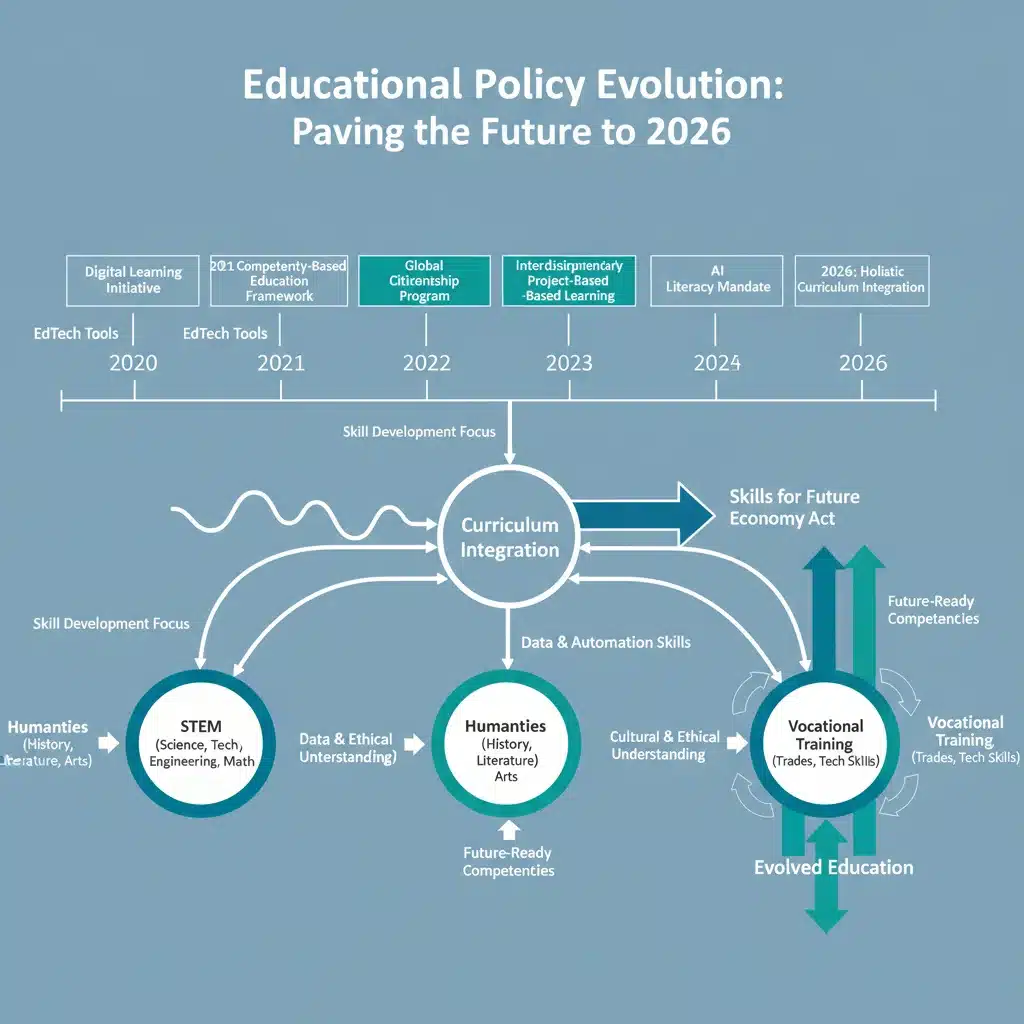
Science, Technology, Engineering, and Mathematics (STEM) will continue to be a significant focus. The new federal education standards are expected to push for more integrated STEM learning, moving beyond discrete subject silos. This means encouraging interdisciplinary projects, hands-on experimentation, and real-world applications of scientific and mathematical principles from early elementary grades through high school. The goal is to cultivate a workforce capable of innovation and critical thinking in technologically advanced fields.
2. Literacy Across the Curriculum
Literacy development will extend beyond English Language Arts (ELA) classrooms. The 2026 federal education standards will likely emphasize that reading, writing, speaking, and listening skills are essential in all subject areas. This includes teaching students how to analyze complex texts in science, interpret historical documents in social studies, and articulate mathematical reasoning. The aim is to produce well-rounded individuals who can effectively communicate and comprehend information in diverse contexts.
3. Social-Emotional Learning (SEL) Integration
Recognizing the crucial role of emotional intelligence and well-being in academic success and life, Social-Emotional Learning (SEL) is anticipated to be more explicitly integrated into the new federal education standards. This involves fostering self-awareness, self-management, social awareness, relationship skills, and responsible decision-making. SEL is not just an add-on; it’s seen as foundational to creating supportive learning environments and preparing students for collaborative environments.
4. Digital Literacy and Citizenship
In an increasingly digital world, proficiency in digital tools and responsible online behavior are paramount. The new federal education standards are expected to incorporate robust components of digital literacy, including media literacy, computational thinking, data analysis, and cybersecurity awareness. Furthermore, an emphasis on digital citizenship will teach students about ethical online conduct, privacy, and the impact of digital footprints.
5. Equity and Inclusivity
A core tenet of the 2026 federal education standards is addressing educational equity. This means ensuring that all students, regardless of their background, location, or ability, have access to high-quality education and the support they need to succeed. The standards will likely promote inclusive practices, culturally responsive pedagogy, and accommodations for students with diverse learning needs, aiming to close achievement gaps and foster equitable opportunities.
Impact on K-12 Curriculum Across 50 States
The implementation of these new federal education standards will not be uniform across all states, but the influence will be widespread and significant. Each state will need to review its existing curriculum frameworks and make adjustments to align with the federal guidelines. This process will involve considerable effort from state departments of education, local school districts, curriculum developers, and educators.
Curriculum Redesign and Development
States will embark on comprehensive curriculum redesign projects. This may involve:
- Updating Learning Objectives: Realigning grade-level learning objectives to match the rigor and scope of the new federal education standards.
- Developing New Instructional Materials: Creating or adopting textbooks, digital resources, and other teaching aids that reflect the updated content and pedagogical approaches.
- Integrating Cross-Disciplinary Themes: Designing curricula that naturally weave together concepts from different subjects, promoting a more holistic learning experience.
- Incorporating Project-Based Learning (PBL): Shifting towards more inquiry-based and project-based learning models that encourage critical thinking and problem-solving.
This redesign is a massive undertaking, requiring substantial resources and collaboration among various educational stakeholders.
Teacher Professional Development
Teachers are at the forefront of curriculum delivery, and their preparedness is paramount. The introduction of new federal education standards will necessitate extensive professional development programs. These programs will focus on:
- Understanding New Content: Equipping teachers with the knowledge and skills to teach new or re-emphasized content areas.
- Mastering New Pedagogical Strategies: Training teachers in innovative teaching methods that align with the standards’ emphasis on deeper learning, inquiry, and student-centered approaches.
- Utilizing New Technologies: Providing support for integrating digital tools and resources effectively into instruction.
- Implementing SEL and Equity Practices: Educating teachers on how to foster social-emotional growth and create inclusive classrooms for all students.
Effective professional development is crucial for ensuring that the spirit and intent of the new standards translate into meaningful classroom experiences.
Assessment and Accountability
With new federal education standards come new ways of measuring student progress and school effectiveness. State assessment systems will need to be revised to align with the updated learning objectives and the emphasis on higher-order thinking skills. This might include a move towards:
- Performance-Based Assessments: Tasks that require students to apply knowledge and skills to real-world problems, rather than just recall facts.
- Formative Assessments: Ongoing assessments that provide feedback to guide instruction and learning, rather than solely summative tests.
- Balanced Assessment Systems: A combination of various assessment types to provide a more comprehensive picture of student learning and growth.
Accountability systems will also evolve, potentially incorporating a broader range of indicators beyond test scores to reflect school quality, student growth, and equity. The goal is to create a system that truly supports continuous improvement rather than merely measuring compliance.
Recent Updates and What to Expect Next
The development and rollout of such significant federal education standards is a dynamic process. Recent updates indicate a strong commitment from federal educational bodies to engage stakeholders at every level. Consultations with educators, researchers, civil rights organizations, and community leaders have been ongoing to refine the standards and develop implementation guidelines.
Pilot Programs and Feedback
Several states and districts are likely to participate in pilot programs to test components of the new standards and associated curricula. The feedback gathered from these pilots will be invaluable in making final adjustments before full-scale implementation. This iterative process aims to ensure that the standards are practical, effective, and responsive to the diverse needs of students and schools.
Funding and Resources
A critical aspect of successful implementation will be the allocation of adequate funding and resources. Federal grants and state budgets will need to prioritize curriculum development, professional learning, and technology infrastructure upgrades. Advocacy groups are actively working to ensure that these financial commitments are met to prevent the standards from becoming unfunded mandates.
Communication and Transparency
Expect continued communication from federal and state education departments regarding specific timelines, resources, and support structures. Transparency in the process is key to building trust and ensuring widespread understanding and buy-in from all stakeholders. Webinars, workshops, and informational campaigns will likely become more frequent as 2026 approaches.
Preparing for the 2026 Federal Education Standards: A Stakeholder Guide
The upcoming changes require proactive engagement from everyone involved in the education ecosystem. Here’s how different stakeholders can prepare for the new federal education standards:
For Educators (Teachers, Principals, Administrators)
- Stay Informed: Regularly check official announcements from your state and federal education departments.
- Engage in Professional Learning: Seek out opportunities for professional development that align with anticipated changes in curriculum and pedagogy.
- Collaborate: Work with colleagues to discuss best practices, share resources, and collaboratively plan for curriculum adjustments.
- Advocate: Provide feedback to district and state leaders on the practical implications of proposed changes.
For Parents and Guardians
- Understand the Changes: Attend school meetings, review communications from your child’s school, and ask questions about how the new federal education standards will affect your child’s learning.
- Support Learning at Home: Engage with your child’s schoolwork and encourage critical thinking, problem-solving, and a love for learning.
- Communicate with Schools: Maintain open lines of communication with teachers and administrators to understand your child’s progress and any support they may need.
For Policymakers and District Leaders
- Prioritize Resources: Allocate sufficient funding for curriculum development, professional development, and technological infrastructure.
- Foster Collaboration: Create frameworks for effective collaboration between state departments, districts, schools, and communities.
- Develop Clear Implementation Plans: Establish realistic timelines and provide clear guidance and support for schools.
- Monitor and Evaluate: Implement robust systems for monitoring the effectiveness of the new standards and making data-driven adjustments.
Potential Challenges and Opportunities
Implementing nationwide federal education standards of this magnitude is not without its challenges. However, it also presents significant opportunities for growth and improvement.
Challenges:
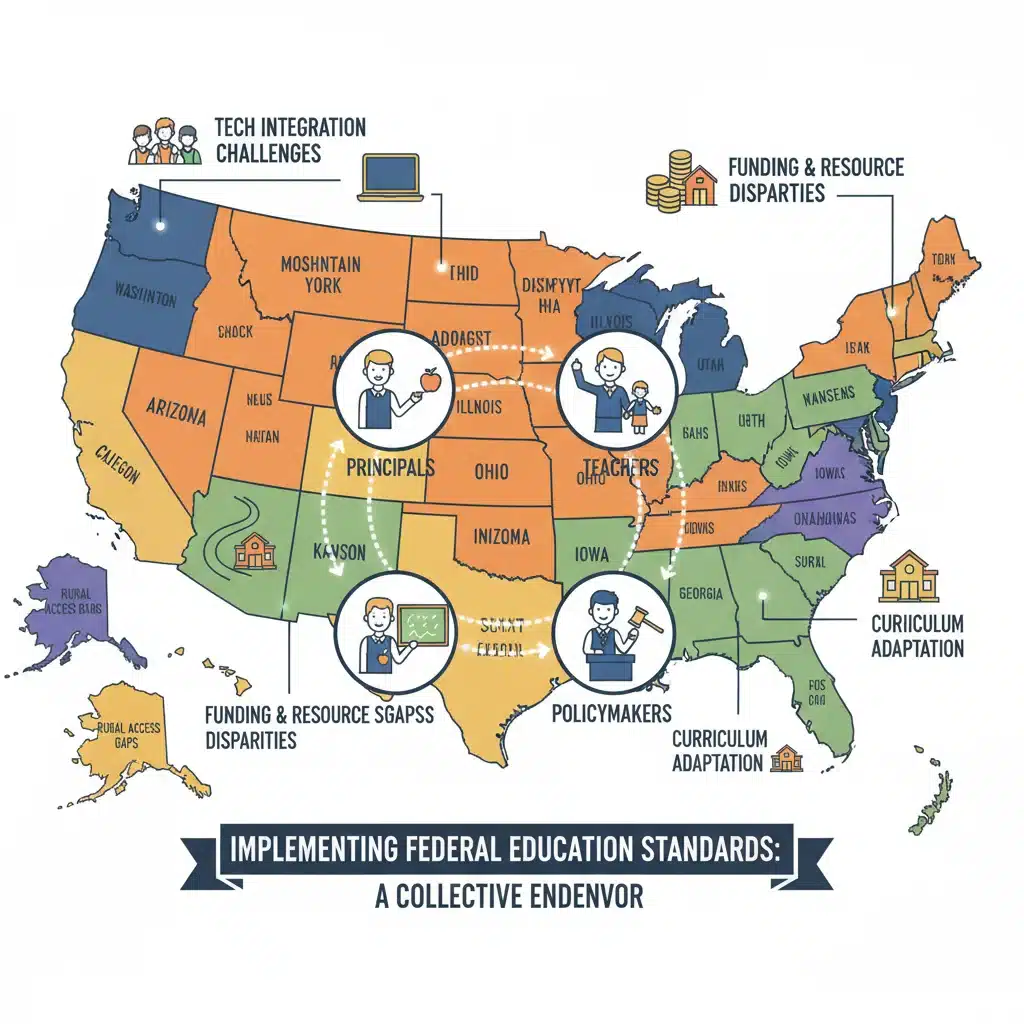
- Resource Allocation: Ensuring all states and districts, especially those in under-resourced areas, have the necessary funding and personnel.
- Teacher Buy-in and Training: Overcoming potential resistance to change and adequately training a vast workforce.
- Equity in Implementation: Preventing disparities in how effectively the standards are implemented across different socioeconomic contexts.
- Assessment Development: Creating reliable and valid assessments that truly measure the complex skills emphasized by the new standards.
Opportunities:
- Enhanced Student Outcomes: A more rigorous and relevant curriculum can better prepare students for future success.
- Greater Equity: Standardized expectations can help close achievement gaps and ensure all students have access to quality education.
- Innovation in Teaching: Encouraging educators to adopt more engaging and effective pedagogical approaches.
- Improved Collaboration: Fostering partnerships between schools, districts, states, and the federal government.
- Future-Ready Graduates: Equipping students with the critical thinking, problem-solving, and digital literacy skills needed for the 21st-century workforce and active citizenship.
Conclusion
The 2026 federal education standards represent a transformative moment for K-12 education in the United States. While the journey to full implementation will be complex and require concerted effort from all stakeholders, the potential benefits—a more equitable, rigorous, and future-oriented educational system—are substantial. By staying informed, engaging proactively, and collaborating effectively, we can ensure that these new standards pave the way for a brighter future for all students across the nation.
The shift is not just about new rules; it’s about a renewed commitment to excellence in education, ensuring that every child receives the best possible foundation for their future. As we move closer to 2026, continuous dialogue, adaptation, and support will be essential to successfully navigate this pivotal period in American education.