2026 STEM Education Programs: Which Deliver 30% Higher Job Placement Rates?

Anúncios
The landscape of education is constantly evolving, nowhere more rapidly than in Science, Technology, Engineering, and Mathematics (STEM). As we look towards 2026 and beyond, prospective students and their families are increasingly focused not just on the quality of education, but on the tangible outcomes it delivers. The ultimate metric for many is job placement rates. In this comprehensive analysis, we delve into the question that resonates with so many: Which 2026 STEM education programs are consistently delivering 30% higher job placement rates than their counterparts, and what are the secrets behind their success?
Anúncios
Understanding the factors that contribute to exceptional STEM job placement is crucial. It’s not merely about the curriculum; it’s about a holistic ecosystem that prepares students for the demands of a dynamic global workforce. This article will explore the innovative approaches, strategic partnerships, and forward-thinking pedagogies adopted by leading institutions and programs that are setting new benchmarks for graduate success.
The Shifting Sands of STEM Employment: What 2026 Demands
Before we can identify the programs with superior STEM job placement, it’s essential to understand the current and future demands of the STEM job market. The year 2026 is projected to see continued growth in sectors like artificial intelligence, biotechnology, cybersecurity, renewable energy, and advanced manufacturing. These fields require not only deep technical knowledge but also critical thinking, adaptability, problem-solving skills, and interdisciplinary collaboration. Programs that excel in job placement are those that anticipate these needs and integrate them into their core offerings.
Anúncios
Traditional STEM education often focused heavily on theoretical knowledge. While foundational understanding remains vital, the modern workplace demands practical application, hands-on experience, and the ability to work with emerging technologies. The programs achieving higher placement rates are often characterized by their emphasis on experiential learning, real-world projects, and continuous curriculum updates to reflect industry shifts. This proactive approach ensures graduates are not just knowledgeable, but also immediately employable and capable of contributing from day one.
Defining ‘Higher Job Placement Rates’
When we talk about 30% higher job placement rates, we’re referring to programs that significantly outperform the national average or the average within their specific STEM discipline. This isn’t a small margin; it indicates a profound difference in how these programs prepare and connect their students to the professional world. Achieving such a distinction requires intentional design and continuous refinement. It means going beyond simply teaching concepts and actively cultivating career readiness.
Factors influencing these rates include the quality of career services, the strength of alumni networks, the prevalence of internships and co-op opportunities, and the direct engagement of industry partners in curriculum development. Our analysis will shine a light on programs that have mastered these elements, leading to impressive outcomes for their graduates in terms of STEM job placement.
Key Characteristics of High-Placement STEM Programs
What sets these high-performing STEM programs apart? A common thread among institutions boasting significantly higher STEM job placement rates is their commitment to a multifaceted approach to education and career development. Here are some of the defining characteristics:
1. Industry-Integrated Curriculum and Experiential Learning
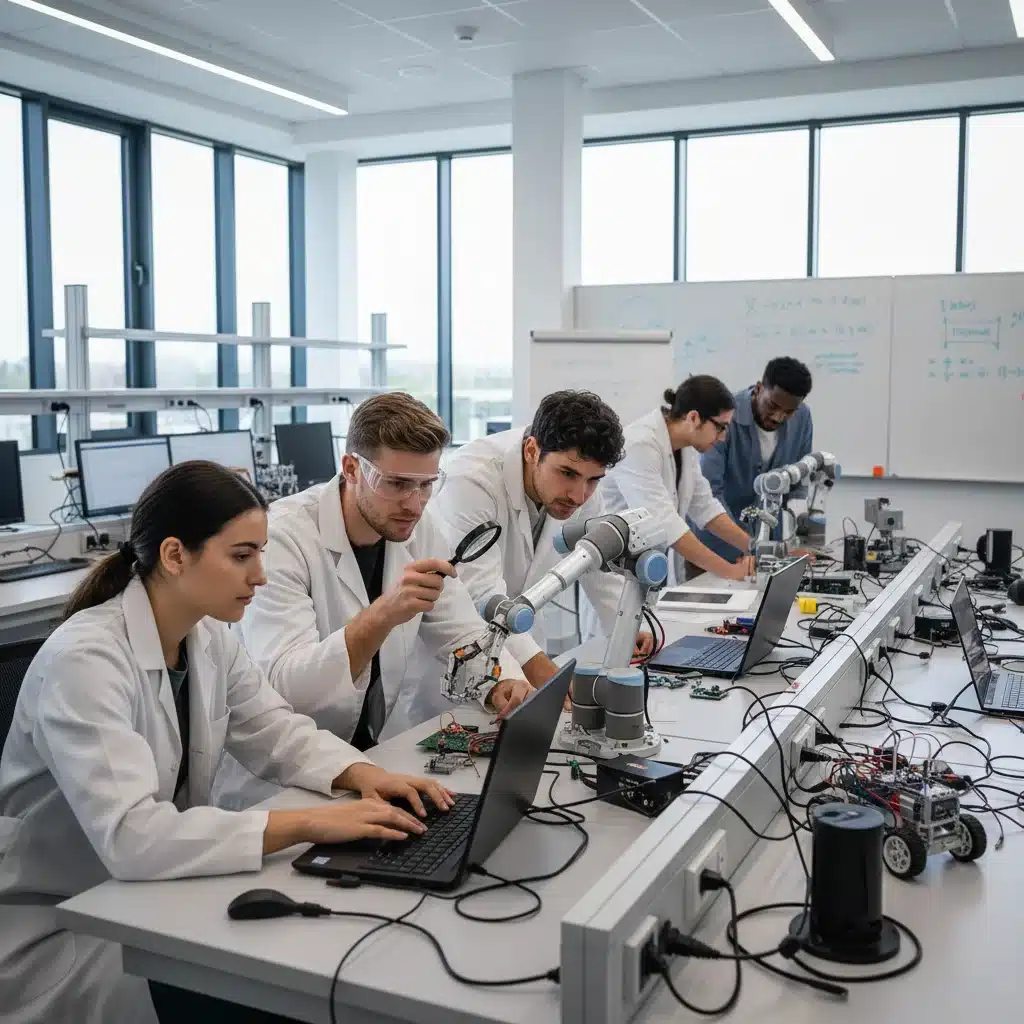
The most successful programs don’t just teach theory; they immerse students in practical, real-world scenarios. This often involves:
- Project-Based Learning: Students work on complex problems, often sponsored by industry, applying their knowledge to develop tangible solutions. This mirrors the collaborative and iterative nature of professional STEM work.
- Mandatory Internships/Co-op Programs: Many top-tier programs integrate compulsory internships or co-operative education experiences into their degree requirements. These aren’t just resume builders; they are crucial opportunities for students to gain invaluable work experience, build professional networks, and often secure full-time offers upon graduation.
- Capstone Projects with Industry Partners: Senior-year capstone projects are frequently designed in collaboration with companies, providing students with exposure to industry challenges and potential employers with a chance to evaluate talent.
- Simulations and Labs: State-of-the-art laboratories and realistic simulations allow students to practice skills in a controlled environment, bridging the gap between academic learning and professional application.
These experiential components are not just add-ons; they are integral to the learning process, ensuring that graduates possess not only theoretical knowledge but also the practical skills and professional acumen desired by employers. This direct exposure to the workplace significantly boosts their STEM job placement prospects.
2. Strong Industry Partnerships and Advisory Boards
Programs with superior STEM job placement rates are rarely isolated academic entities. They actively cultivate robust relationships with leading companies and organizations in their respective fields. These partnerships manifest in several ways:
- Advisory Boards: Industry leaders often sit on departmental or program advisory boards, providing direct input on curriculum design, ensuring that what is taught is directly relevant to industry needs.
- Guest Lecturers and Workshops: Professionals from various STEM fields frequently deliver guest lectures, conduct workshops, and mentor students, offering insights into current industry practices and career paths.
- Recruitment Events and Career Fairs: Institutions with strong industry ties often host exclusive recruitment events, giving their students priority access to job opportunities.
- Research Collaborations: Joint research initiatives between universities and companies provide students with opportunities to work on cutting-edge projects, often leading to publications and direct hiring.
These partnerships create a direct pipeline from academia to industry, significantly streamlining the job search process for graduates and contributing directly to higher STEM job placement rates.
3. Robust Career Services and Professional Development
Beyond academic excellence, the most successful programs invest heavily in comprehensive career services tailored specifically for STEM students. This includes:
- Personalized Career Counseling: One-on-one guidance on resume building, interview preparation, and job search strategies.
- Networking Opportunities: Organized events, alumni panels, and industry mixers designed to connect students with potential employers.
- Soft Skills Training: Workshops on communication, teamwork, leadership, and ethical considerations – skills often cited by employers as critical for success in STEM roles.
- Alumni Mentorship Programs: Connecting current students with successful alumni for guidance, advice, and potential job leads.
These services are not just reactive; they are proactive, starting early in a student’s academic journey and continuing through graduation, significantly enhancing their STEM job placement success.
4. Interdisciplinary Focus and Adaptability
The complex challenges of 2026 and beyond rarely fit neatly into a single discipline. High-performing STEM programs recognize this and foster an interdisciplinary approach. This might involve:
- Cross-Departmental Collaboration: Encouraging students to take courses or work on projects that span different STEM fields (e.g., bioengineering, data science in healthcare).
- Minors and Concentrations: Offering flexible academic paths that allow students to specialize in emerging areas or combine disciplines.
- Focus on Emerging Technologies: Rapidly integrating new technologies like AI, machine learning, quantum computing, and advanced materials into the curriculum.
Graduates from such programs are more versatile and better equipped to tackle multifaceted problems, making them highly attractive to employers and boosting their STEM job placement rates.
Case Studies: Programs Setting the Standard
While specific program names can change and evolve, we can highlight the types of programs and institutions that consistently achieve these high placement rates. These are often found in:
- Leading Research Universities: Institutions with strong research arms often have direct ties to cutting-edge industries and government labs, providing unique opportunities for students.
- Specialized Technical Institutes: Schools focused purely on engineering or computer science tend to have very strong industry connections and highly specialized curricula.
- Programs in Tech Hubs: Universities located near major tech or industry hubs benefit from proximity to a high concentration of potential employers and internship opportunities.
Consider programs that emphasize:
- Cybersecurity with Applied Cryptography: With the escalating threat landscape, programs that offer hands-on experience in network security, ethical hacking, and secure software development are seeing unprecedented demand.
- Data Science and AI Engineering: The ability to analyze large datasets, develop machine learning models, and implement AI solutions is critical across almost all industries. Programs with strong practical components in these areas are highly valued.
- Biomedical Engineering with a Focus on Medical Devices or Bioinformatics: The convergence of engineering and healthcare is creating a boom in jobs requiring expertise in designing medical equipment, developing diagnostic tools, or analyzing biological data.
- Renewable Energy Engineering: As the world transitions to sustainable energy, engineers specializing in solar, wind, geothermal, and energy storage technologies are in high demand.
- Robotics and Automation: The increasing automation of manufacturing, logistics, and even service industries drives the need for engineers skilled in robotics, control systems, and automation.
These examples illustrate how specialization combined with practical application leads to exceptional STEM job placement outcomes.
Measuring Success: Beyond the Numbers
While job placement rates are a critical metric, it’s also important to consider the quality of those placements. Programs achieving 30% higher placement rates often also see their graduates securing:
- Higher Starting Salaries: Reflecting the high demand for their specialized skills.
- Roles in Leading Companies: Graduates are often recruited by top-tier organizations in their respective fields.
- Faster Career Progression: The robust foundational and practical skills acquired in these programs often lead to quicker advancement within companies.
- High Job Satisfaction: Students are well-matched to roles that align with their skills and interests, leading to greater long-term satisfaction.
Therefore, when evaluating programs, look beyond just the raw percentage and inquire about the types of roles, companies, and salary ranges graduates are achieving. This provides a more complete picture of the program’s effectiveness in fostering successful STEM job placement.

The Role of Continuous Learning and Adaptability
Even the best STEM education programs recognize that learning doesn’t end with graduation. The rapid pace of technological change means that continuous learning is a necessity for long-term career success. Programs that foster a mindset of lifelong learning are inherently more valuable. This can be achieved through:
- Emphasis on Foundational Principles: While technologies change, underlying scientific and mathematical principles remain constant. A strong grasp of these fundamentals allows graduates to adapt to new tools and methodologies.
- Encouragement of Professional Development: Promoting certifications, advanced degrees, and participation in industry conferences.
- Alumni Resources: Providing access to ongoing learning resources, workshops, and networking events for graduates.
The ability to adapt and continuously acquire new skills is a hallmark of successful STEM professionals. Programs that instill this value contribute significantly to sustained career success and, by extension, to their long-term STEM job placement reputation.
Challenges and Future Outlook
While the outlook for STEM careers remains bright, challenges persist. The rapid evolution of technology means that curricula must be constantly updated, requiring significant investment from educational institutions. Furthermore, ensuring diversity and inclusion in STEM remains a critical goal, as a broader range of perspectives leads to more innovative solutions.
Looking ahead to 2026, we can expect to see an even greater emphasis on cross-disciplinary studies, personalized learning paths, and the integration of virtual and augmented reality into educational experiences. The programs that successfully navigate these challenges and embrace these innovations will be the ones that continue to lead in STEM job placement rates.
Prospective students should actively seek out programs that demonstrate a clear commitment to these forward-thinking approaches. Engaging with current students, alumni, and faculty can provide invaluable insights into a program’s true effectiveness in preparing graduates for the competitive STEM job market. Ask about internship opportunities, career services support, and the success stories of recent graduates.
Conclusion: Investing in Future Success
Choosing a STEM education program is one of the most significant decisions a student can make. As our analysis of 2026 trends reveals, programs that consistently deliver 30% higher STEM job placement rates are those that go beyond traditional academic models. They are characterized by deep industry integration, extensive experiential learning opportunities, robust career support, and an interdisciplinary, forward-looking curriculum.
These institutions understand that preparing students for the future means equipping them not just with knowledge, but with practical skills, professional networks, and a mindset of continuous adaptation. By carefully evaluating programs based on these criteria, prospective students can significantly increase their chances of securing rewarding and impactful careers in the ever-expanding world of STEM.
The investment in a high-quality STEM education, particularly one proven to lead to exceptional job placement, is an investment in a secure and prosperous future. As the demand for skilled STEM professionals continues to soar, selecting a program that prioritizes career readiness will be the deciding factor for many in achieving their professional aspirations.