
In an ever-evolving economic landscape, understanding the array of support systems available to your family is more crucial than ever. While many are familiar with mainstream federal programs like Social Security or Medicare, a wealth of lesser-known federal assistance programs exists, designed to provide targeted relief and opportunities. As we look towards 2026, these programs are set to continue offering vital lifelines to countless American families. This comprehensive guide will delve into five such programs, illuminating their purpose, eligibility requirements, and how your family can access the support it needs. Our goal is to empower you with knowledge, ensuring you don’t miss out on crucial aid that could significantly improve your family’s well-being and financial stability.
Anúncios
Navigating the Landscape of Federal Assistance 2026
The federal government provides a vast network of programs aimed at supporting its citizens across various aspects of life. From housing and education to healthcare and nutrition, these initiatives are designed to create a safety net and foster opportunities. However, the sheer volume and complexity of these programs can often make them difficult to navigate. Many families, especially those who are newly facing financial challenges or those who have historically managed without assistance, might be unaware of the specific aid they qualify for. The year 2026 will see a continuation of many existing programs, alongside potential adjustments and new initiatives aimed at addressing contemporary societal needs.
Understanding the nuances of federal assistance 2026 involves more than just knowing a program’s name. It requires an in-depth look into the specific criteria for eligibility, the application process, and the benefits offered. Often, these lesser-known programs are highly specialized, targeting particular demographics or specific needs, which means they might not be broadly advertised. This article aims to cut through the complexity, presenting clear, actionable information about programs that could make a significant difference for your family.
The importance of staying informed cannot be overstated. Eligibility requirements can change, funding levels may fluctuate, and new programs might emerge. Regularly checking official government websites and consulting with local community organizations are excellent strategies for staying up-to-date. Moreover, many of these programs are interconnected; qualifying for one might open doors to others, creating a more comprehensive support system. Let’s explore some of these vital resources that could be instrumental for your family in 2026.
Anúncios
Program 1: The Federal Healthy Homes and Lead Hazard Control Program (HH & LHCP)
What is the HH & LHCP?
While many are aware of lead paint hazards, the Federal Healthy Homes and Lead Hazard Control Program (HH & LHCP), primarily administered by the Department of Housing and Urban Development (HUD), goes beyond simple lead abatement. This program takes a holistic approach to housing-related health and safety hazards. It aims to protect children and families from various environmental health risks in their homes, including lead-based paint, asbestos, mold, radon, pest infestations, and other structural deficiencies that can lead to injuries or illnesses. The goal is to create safe, healthy, and affordable housing environments, particularly for low-income families and those living in older housing stock.
Eligibility Criteria for HH & LHCP in 2026
Eligibility for HH & LHCP typically revolves around income levels, the age of the housing unit, and the presence of children or vulnerable individuals within the household. While specific income thresholds can vary by state and locality, they generally align with HUD’s low-income guidelines, often defined as earning no more than 80% of the Area Median Income (AMI). Homes built before 1978 are often prioritized due to the higher likelihood of lead-based paint. Families with young children (under six years old) or pregnant women are also frequently given priority due to their increased vulnerability to environmental hazards.
In 2026, it is anticipated that these core criteria will remain largely consistent. Some programs might also consider families with individuals suffering from asthma or other respiratory conditions exacerbated by indoor air quality issues. Proof of homeownership or long-term tenancy is usually required, and the property must meet certain structural integrity standards to qualify for remediation work.
The process can take several weeks or months, depending on local program capacity and the extent of the identified hazards. It’s crucial to be proactive and gather all necessary documentation, such as income statements, utility bills, and proof of residency, to streamline the application.
How to Apply and What to Expect
- Identify Local Programs: Contact your local housing authority, health department, or community development office. They can provide information on HH & LHCP initiatives in your area. HUD’s website also offers a Healthy Homes and Lead Hazard Control Program directory to help locate local grantees.
- Submit an Application: You will likely need to complete an application form, providing details about your household income, family members, and property information.
- Home Assessment: If deemed eligible, a qualified professional will conduct a comprehensive assessment of your home to identify hazards.
- Remediation and Education: Based on the assessment, approved contractors will perform necessary repairs and remediation. Families often receive educational materials on maintaining a healthy home environment.
Program 2: The Child Care and Development Fund (CCDF) – Enhanced Subsidies
Understanding CCDF and its Enhanced Subsidies
The Child Care and Development Fund (CCDF) is a federal program that helps low-income families afford child care so they can work or attend school. While CCDF itself is widely known, the “enhanced subsidies” aspect refers to specific state-level initiatives funded through CCDF that offer more substantial financial assistance or broader eligibility than the baseline program. These enhancements often aim to address specific local needs, such as supporting single-parent households, families with children with disabilities, or those working non-traditional hours.
In 2026, these enhanced subsidies are expected to continue playing a critical role in supporting working families, particularly as the cost of child care remains a significant burden. The program helps ensure children are in safe, healthy, and developmentally appropriate settings, thereby supporting both parents’ workforce participation and children’s early learning.
Eligibility for Enhanced CCDF Subsidies in 2026
Basic CCDF eligibility generally requires families to have incomes at or below 85% of the state median income (SMI) and to be working or attending an educational/training program. However, enhanced subsidies often extend these limits or offer additional benefits. For instance, some states might provide:
- Higher Income Thresholds: Allowing families earning up to 100% or even 120% of SMI to qualify.
- Reduced Co-payments: Lowering the family’s financial contribution towards child care costs.
- Expanded Hours/Types of Care: Covering care for non-traditional work hours, summer programs, or specialized care for children with special needs.
- Priority for Specific Groups: Such as homeless families, families experiencing domestic violence, or those involved with child protective services.
It’s vital to remember that these enhancements are state-specific. What one state offers might differ significantly from another. Families should check their state’s child care assistance agency for the most accurate and up-to-date information regarding enhanced CCDF opportunities in 2026.
Application Process and Finding Information
The application process for CCDF, including any enhanced subsidies, is managed at the state level by child care agencies or social services departments. Here’s a general outline:
- Contact Your State’s Child Care Agency: A quick online search for “[Your State] child care assistance” will typically lead you to the relevant government agency.
- Gather Documentation: You will need proof of income (pay stubs, tax returns), proof of employment or school enrollment, birth certificates for children, and residency verification.
- Complete Application: Applications can often be submitted online, by mail, or in person.
- Provider Selection: Once approved, you can choose a child care provider that accepts CCDF payments. The program usually pays a portion of the child care cost directly to the provider, with the family paying a co-payment based on their income.
Due to the state-specific nature of enhanced subsidies, direct communication with your state’s agency is the most reliable way to determine your eligibility and the specific benefits available to your family in 2026. Don’t assume you don’t qualify without investigating; the thresholds for enhanced programs can be surprisingly generous.
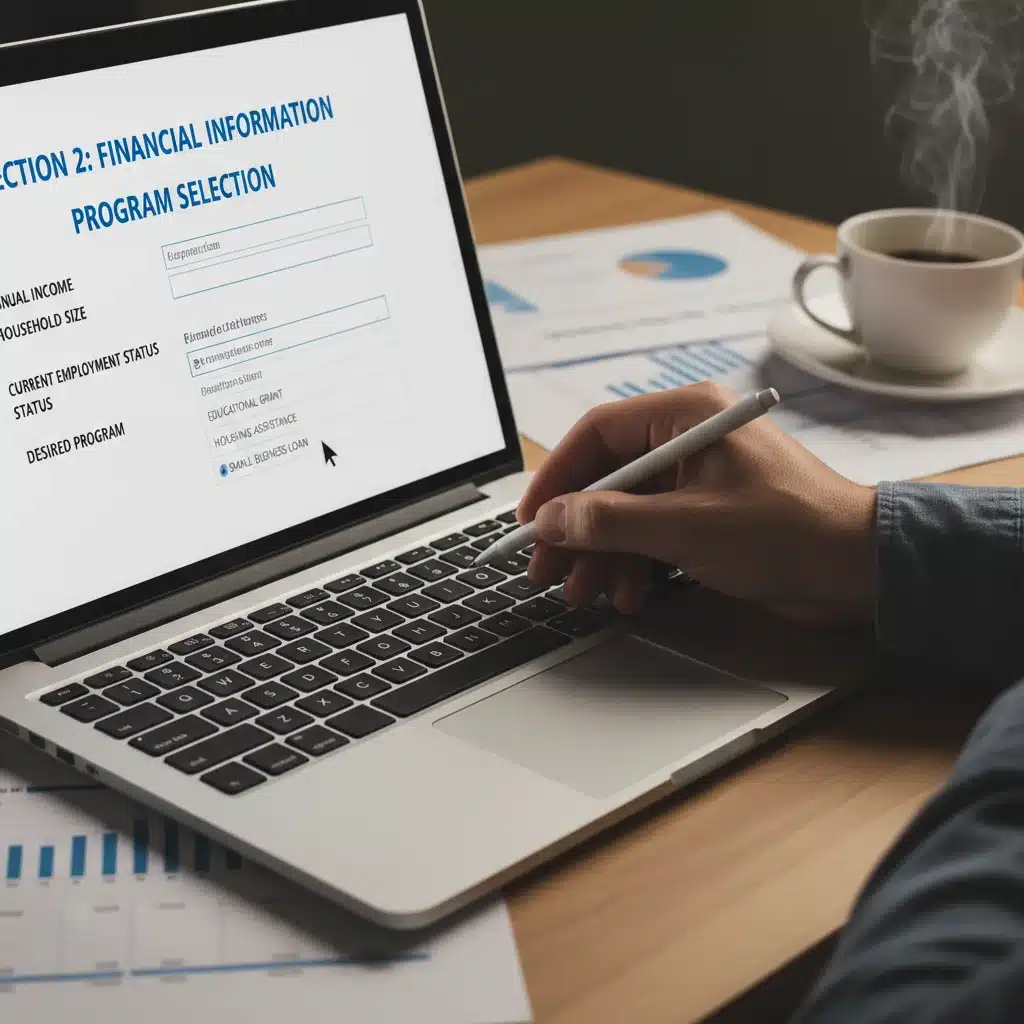
Program 3: The Low Income Household Water Assistance Program (LIHWAP)
What is LIHWAP and Its Importance?
The Low Income Household Water Assistance Program (LIHWAP) is a relatively newer federal program, often less recognized than its energy counterpart (LIHEAP). LIHWAP helps low-income households pay their water and wastewater bills, preventing shut-offs and restoring services. Access to clean, running water is a fundamental necessity for health and sanitation, and for many families, the cost of water and sewer services can be a significant financial burden. LIHWAP addresses this directly, ensuring that families don’t have to choose between paying for water and other essential needs.
As utility costs continue to rise, LIHWAP is expected to be a critical resource for vulnerable families in 2026. The program provides a direct payment to water utilities on behalf of eligible households, offering immediate relief and helping to maintain essential services.
Eligibility for LIHWAP in 2026
Eligibility for LIHWAP is primarily based on income. Households must generally have an income at or below 150% of the federal poverty level or 60% of the state median income, whichever is greater. Households that already receive assistance from other means-tested programs, such as the Supplemental Nutrition Assistance Program (SNAP), Temporary Assistance for Needy Families (TANF), or the Low Income Home Energy Assistance Program (LIHEAP), are often automatically eligible or given priority.
Additional criteria may include:
- Household Composition: Priority may be given to households with elderly individuals, young children, or persons with disabilities.
- Water Burden: Some programs might consider the percentage of income spent on water bills.
- Crisis Situations: Households facing immediate water shut-off or needing service restored are often prioritized.
It’s important to note that LIHWAP is a temporary program, though it has been extended multiple times. Families should monitor federal and state announcements for updates on its availability and funding for 2026. The program is administered by states, territories, and tribal governments, so specific income limits and application procedures will vary by location.
How to Access LIHWAP Benefits
Similar to other state-administered federal programs, accessing LIHWAP benefits requires contacting your local or state agency. Here’s how to proceed:
- Find Your Local Administrator: The National Energy Assistance Directors’ Association (NEADA) website often has a directory of LIHWAP contacts by state. Alternatively, search for “[Your State] water assistance program” or contact your local social services office.
- Prepare Documentation: You will need proof of income for all household members, recent water bills, proof of residency, and identification.
- Submit Application: Complete the application form provided by your local administering agency. This can often be done online, by mail, or in person.
- Await Notification: Once approved, the benefits are typically paid directly to your water utility company.
Given that LIHWAP funds can be limited, applying as soon as you anticipate a need or when the application window opens is advisable. Don’t wait until a shut-off notice arrives; proactive application can prevent service disruptions.
Program 4: The Rural Energy for America Program (REAP) – Expanding to Residential
REAP’s Evolution and Residential Opportunities
The Rural Energy for America Program (REAP), administered by the U.S. Department of Agriculture (USDA), has traditionally focused on providing financial assistance to agricultural producers and rural small businesses for renewable energy systems and energy efficiency improvements. However, there’s a growing push and some existing components that allow for residential applications, particularly in multi-family rural housing and through community-based projects. While not a direct individual household grant in most cases, understanding how REAP funds can indirectly benefit rural families through broader community initiatives or specific residential components is key for 2026.
The program aims to promote energy independence, reduce energy costs, and support environmental sustainability in rural areas. Its expansion or adaptation to directly or indirectly support residential energy efficiency and renewable energy installations for low-income rural families represents a significant, albeit lesser-known, opportunity.
Eligibility and How Families Can Benefit
Direct residential eligibility for REAP is rare for single-family homes. However, families can benefit through:
- Multi-Family Rural Housing Projects: Owners or developers of multi-family housing units in rural areas can apply for REAP grants and loans to install renewable energy systems (e.g., solar panels) or make energy efficiency upgrades (e.g., better insulation, new windows). Residents of these improved properties would then benefit from lower utility bills.
- Community-Based Initiatives: Rural communities or non-profits might secure REAP funding for projects that benefit multiple households, such as a community solar garden or a local energy efficiency retrofit program.
- Indirect Benefits: Even if not directly receiving funds, the overall goal of REAP is to reduce energy costs in rural areas, which can lead to a more stable local economy and potentially lower utility rates for all residents over time.
The definition of a “rural area” for REAP purposes is specific and generally refers to areas with populations of 50,000 or less. Eligibility for indirect benefits would then depend on residing in such a designated rural area and being part of a project or housing unit that receives REAP funding. In 2026, advocates are pushing for more direct residential components within REAP or complementary USDA programs, so staying informed about policy changes is crucial.
Finding REAP-Related Opportunities
For families interested in how REAP might affect their residential energy costs, the approach is slightly different:
- Contact Your Local USDA Rural Development Office: They can provide information on REAP projects in your area and whether any multi-family housing or community initiatives are underway that could benefit your family.
- Engage with Local Housing Authorities/Non-Profits: Organizations focused on affordable housing or community development in rural areas might be applicants for REAP funds. They can inform you if your residence or a future residence could be part of such a project.
- Monitor USDA Announcements: Keep an eye on USDA Rural Development news releases and program updates for any new residential components or specific grant opportunities that emerge for 2026.
While REAP isn’t a direct grant for every homeowner, its potential to improve energy infrastructure and reduce costs in rural multi-family dwellings and communities makes it a valuable, albeit indirect, source of federal assistance for many families.
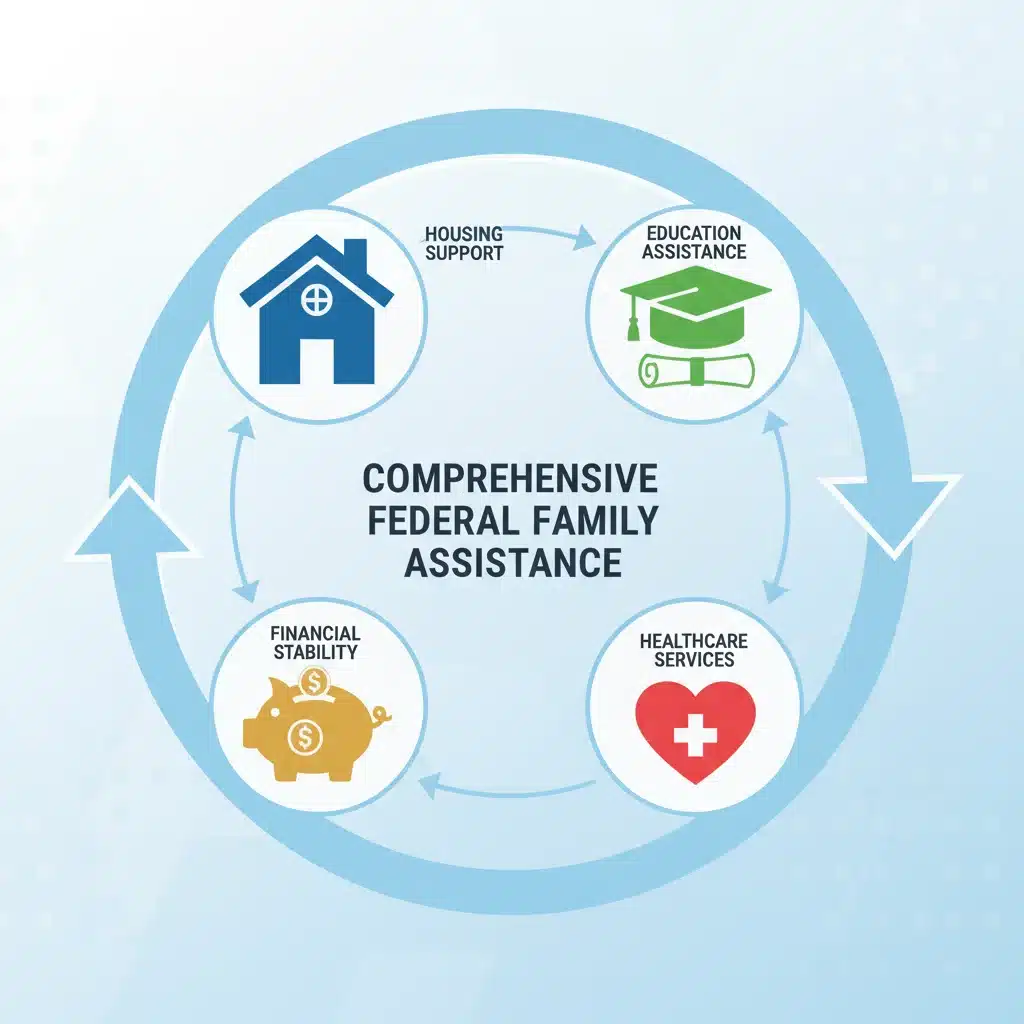
Program 5: The Emergency Food and Shelter Program (EFSP) – Enhanced Flexibility
Overview of EFSP and Its Adaptations
The Emergency Food and Shelter Program (EFSP) is a federal program administered by the Federal Emergency Management Agency (FEMA) and managed by a National Board. It provides federal funds for food, shelter, and supportive services to individuals and families experiencing or at risk of homelessness. While EFSP has been around for decades, its “enhanced flexibility” refers to recent adaptations, especially in response to economic crises and natural disasters, allowing local boards greater discretion in how funds are allocated to meet evolving community needs.
In 2026, this enhanced flexibility is expected to continue, allowing local service providers to more effectively address the unique challenges faced by vulnerable families, including those impacted by unforeseen emergencies, job loss, or rising living costs. The program aims to prevent homelessness, ensure basic needs are met, and help families stabilize their living situations.
Eligibility for EFSP in 2026
Eligibility for EFSP assistance is determined at the local level by the service agencies that receive EFSP funds. Generally, individuals and families must demonstrate financial need and be experiencing or at risk of homelessness. This can include:
- Homeless Individuals/Families: Those living on the streets, in shelters, or in places not meant for human habitation.
- At-Risk of Homelessness: Families facing eviction, utility shut-offs (leading to potential eviction), or other crises that could result in loss of housing.
- Low Income: Income thresholds are usually set at the local level, but generally align with federal poverty guidelines or a percentage of the Area Median Income.
- Emergency Situations: The program is designed for emergencies, so applicants must typically demonstrate an immediate and critical need for assistance.
The enhanced flexibility for 2026 means that local EFSP boards might have more leeway to define “emergency” or to include a broader range of supportive services beyond just food and shelter, such as rental arrears, utility payments, or even transportation costs related to securing housing.
How to Apply for EFSP Assistance
Unlike some other programs, you don’t apply directly to a federal agency for EFSP. Instead, you apply to local service organizations that have been awarded EFSP funds. Here’s the process:
- Identify Local Service Agencies: Contact your local United Way (which often chairs local EFSP boards), homeless shelters, food banks, or other community service organizations. They can direct you to agencies receiving EFSP funds.
- Explain Your Situation: Be prepared to discuss your financial situation and the nature of your emergency (e.g., eviction notice, utility shut-off).
- Provide Documentation: You will likely need proof of income, identification, lease agreements, utility bills, and any eviction or shut-off notices.
- Receive Assistance: If approved, the agency will provide direct assistance, which could include food vouchers, shelter stays, rent or utility payments, or other supportive services.
Because EFSP funds are distributed locally and are intended for emergencies, the application and approval process can be quicker than for other long-term programs. It’s crucial to reach out to local agencies as soon as an emergency arises to explore your options.
General Tips for Accessing Federal Assistance in 2026
Navigating federal assistance programs can be daunting, but with a strategic approach, your family can successfully access the aid it needs. Here are some overarching tips:
- Start Early: Don’t wait until a crisis is imminent. Research programs and understand eligibility requirements well in advance.
- Gather Documentation: Most programs require extensive documentation, including proof of income, residency, identification, and household composition. Having these ready can significantly speed up the application process.
- Be Persistent: Application processes can sometimes be lengthy or require multiple follow-ups. Don’t get discouraged if you don’t hear back immediately.
- Contact Local Resources: Many federal programs are administered at the state or local level. Your local housing authority, social services department, United Way, or non-profit organizations are invaluable resources for information and application assistance.
- Understand Specifics: Each program has unique eligibility criteria and benefits. Read all program guidelines carefully or ask clarifying questions to caseworkers.
- Check for Updates: Program availability, funding, and eligibility can change. Regularly check official government websites (e.g., USA.gov, agency-specific sites) for the latest information for 2026.
- Explore Interconnected Programs: Qualifying for one program (like SNAP or LIHEAP) often makes you automatically eligible or gives you priority for others. Ask about other potential benefits when you apply for one.
- Utilize Online Portals: Many states and agencies offer online application portals, which can be more convenient and efficient.
- Seek Assistance with Applications: If you find the application process overwhelming, many community organizations offer free assistance with filling out forms and understanding requirements.
Conclusion: Securing Your Family’s Future with Federal Assistance 2026
The landscape of federal assistance in 2026 is rich with opportunities to support families, even beyond the most commonly known programs. The Federal Healthy Homes and Lead Hazard Control Program (HH & LHCP) ensures safe living environments, the Child Care and Development Fund (CCDF) offers crucial enhanced subsidies for working parents, the Low Income Household Water Assistance Program (LIHWAP) provides essential utility relief, the evolving Rural Energy for America Program (REAP) promises indirect energy savings for rural residents, and the Emergency Food and Shelter Program (EFSP) offers flexible, immediate aid in times of crisis.
By taking the time to understand these lesser-known federal assistance programs, checking your eligibility, and diligently following the application processes, your family can unlock vital support that contributes to greater stability, health, and opportunity. Don’t let the complexity deter you; the resources are there, and with a bit of informed effort, your family can thrive in 2026 and beyond. Stay proactive, stay informed, and reach out to local resources – they are your best allies in navigating the path to securing the assistance your family deserves.