Federal Cybersecurity Mandates 2026: What 80% of US Businesses Need to Know
Anúncios
The digital landscape is constantly evolving, and with it, the threats posed by cybercriminals. In response to an escalating number of sophisticated cyberattacks targeting both private and public sectors, the U.S. government has announced sweeping new federal cybersecurity mandates set to take effect in March 2026. These regulations are not merely an update; they represent a significant paradigm shift, poised to impact an estimated 80% of all U.S. businesses. For many organizations, particularly small and medium-sized enterprises (SMEs) that may not have dedicated cybersecurity teams or robust infrastructure, these mandates will necessitate a fundamental re-evaluation of their entire digital security posture. The time to understand, plan for, and implement these changes is now, as proactive preparation will be key to ensuring compliance and avoiding potentially crippling penalties.
Anúncios
Understanding the Scope: Who Do These Federal Cybersecurity Mandates Affect?
The sheer breadth of these new federal cybersecurity mandates is unprecedented. While specific details are still being finalized and disseminated by various government agencies, early indications suggest that the regulations will apply to any business that:
- Handles Controlled Unclassified Information (CUI): This includes a vast array of data that, while not classified, is deemed sensitive and requires safeguarding. Examples range from research data to critical infrastructure information and certain proprietary business information shared with the government.
- Engages in Contracts with Federal Agencies: Any company, regardless of size, that supplies goods or services to the federal government will likely fall under the purview of these new rules. This extends beyond prime contractors to their entire supply chain, meaning even subcontractors must comply.
- Operates within Critical Infrastructure Sectors: Industries such as energy, transportation, water, healthcare, and financial services are explicitly targeted due to their vital role in national security and economic stability. These sectors are often prime targets for nation-state actors and organized cybercrime groups.
- Processes or Stores Sensitive Personal Information: While existing regulations like HIPAA and GDPR address personal data, these new federal cybersecurity mandates are expected to broaden the scope and tighten controls around the protection of personally identifiable information (PII) for a wider range of businesses.
- Meets Specific Revenue or Employee Thresholds: While not universally applied, some components of the mandates may use these metrics to determine applicability, ensuring that even larger private sector entities are included.
The ‘80% of U.S. businesses’ figure underscores the government’s intent to create a more resilient national cybersecurity infrastructure by elevating the security standards across the entire economic ecosystem. This means that a small manufacturing firm supplying parts to a defense contractor, a regional hospital managing patient records, or a tech startup developing software for a federal grant project could all find themselves subject to these rigorous new requirements. Ignoring these mandates is not an option, as the potential consequences – including hefty fines, contract loss, and reputational damage – far outweigh the cost of compliance.
Key Pillars of the New Federal Cybersecurity Mandates
While the granular details are still emerging, several core themes are consistently highlighted as central to these new federal cybersecurity mandates. Businesses should begin preparing for these fundamental shifts:
Anúncios
1. Enhanced Incident Reporting Requirements
One of the most significant changes will be the requirement for much faster and more comprehensive reporting of cybersecurity incidents. Currently, reporting requirements can be fragmented and vary significantly. The new mandates are expected to standardize and expedite this process, likely requiring:
- Shorter Reporting Timelines: Businesses may have as little as 24-72 hours to report a significant cyber incident after discovery, a stark contrast to previous, often more lenient, deadlines.
- Detailed Information Provision: Reports will likely need to include specific details about the nature of the attack, its impact, the data compromised, and the steps taken for containment and remediation.
- Centralized Reporting Mechanisms: A more streamlined process for reporting to a single, designated federal agency or portal is anticipated, aiming to improve national threat intelligence and response coordination.
This shift emphasizes the government’s need for real-time visibility into the threat landscape to better protect national interests. Businesses will need robust incident response plans and capabilities to meet these accelerated reporting demands.
2. Mandatory Implementation of Specific Cybersecurity Controls
Beyond reporting, the mandates will likely prescribe a baseline set of cybersecurity controls that businesses must implement. These controls will draw heavily from established frameworks such as the NIST Cybersecurity Framework (CSF), ISO 27001, and CMMC (Cybersecurity Maturity Model Certification) for defense contractors. Key areas of focus will include:
- Access Control: Stricter requirements for identity management, multi-factor authentication (MFA), and least privilege access.
- Data Encryption: Mandates for encrypting sensitive data both in transit and at rest.
- Vulnerability Management: Regular scanning, penetration testing, and timely patching of systems.
- Security Awareness Training: Mandatory and recurring training for all employees on cybersecurity best practices.
- Network Segmentation: Isolating critical systems and data from less secure parts of the network.
- Supply Chain Security: Requiring businesses to assess and ensure the cybersecurity posture of their third-party vendors and suppliers.
For many businesses, this will mean investing in new technologies, updating existing systems, and developing comprehensive security policies and procedures that align with these prescribed controls.
3. Regular Audits and Assessments
Compliance with these new federal cybersecurity mandates will not be a one-time event. Businesses can expect to undergo regular audits and assessments, potentially conducted by independent third-party organizations or government-appointed entities. These assessments will verify the implementation and effectiveness of mandated controls and processes. The goal is to ensure continuous adherence and adaptation to evolving threats, rather than a snapshot in time. Non-compliance identified during these audits could lead to severe repercussions.
4. Supply Chain Cybersecurity Obligations
The government recognizes that a chain is only as strong as its weakest link. Therefore, these mandates will extend cybersecurity responsibilities throughout the supply chain. Businesses will be accountable not only for their own security but also for ensuring that their vendors, suppliers, and partners who handle their data or interact with their systems meet specific cybersecurity standards. This will necessitate:
- Vendor Risk Assessments: Conducting thorough cybersecurity assessments of all third-party vendors.
- Contractual Obligations: Integrating specific cybersecurity clauses into vendor contracts.
- Continuous Monitoring: Regularly monitoring the security posture of critical suppliers.
This aspect of the mandates will require businesses to gain greater visibility and control over their extended digital ecosystem, fostering a collective approach to national cybersecurity.
Preparing for the March 2026 Deadline: A Strategic Roadmap
The March 2026 deadline may seem distant, but the scope and complexity of these new federal cybersecurity mandates demand immediate and sustained attention. Proactive preparation is paramount. Here’s a strategic roadmap for businesses to navigate these changes:
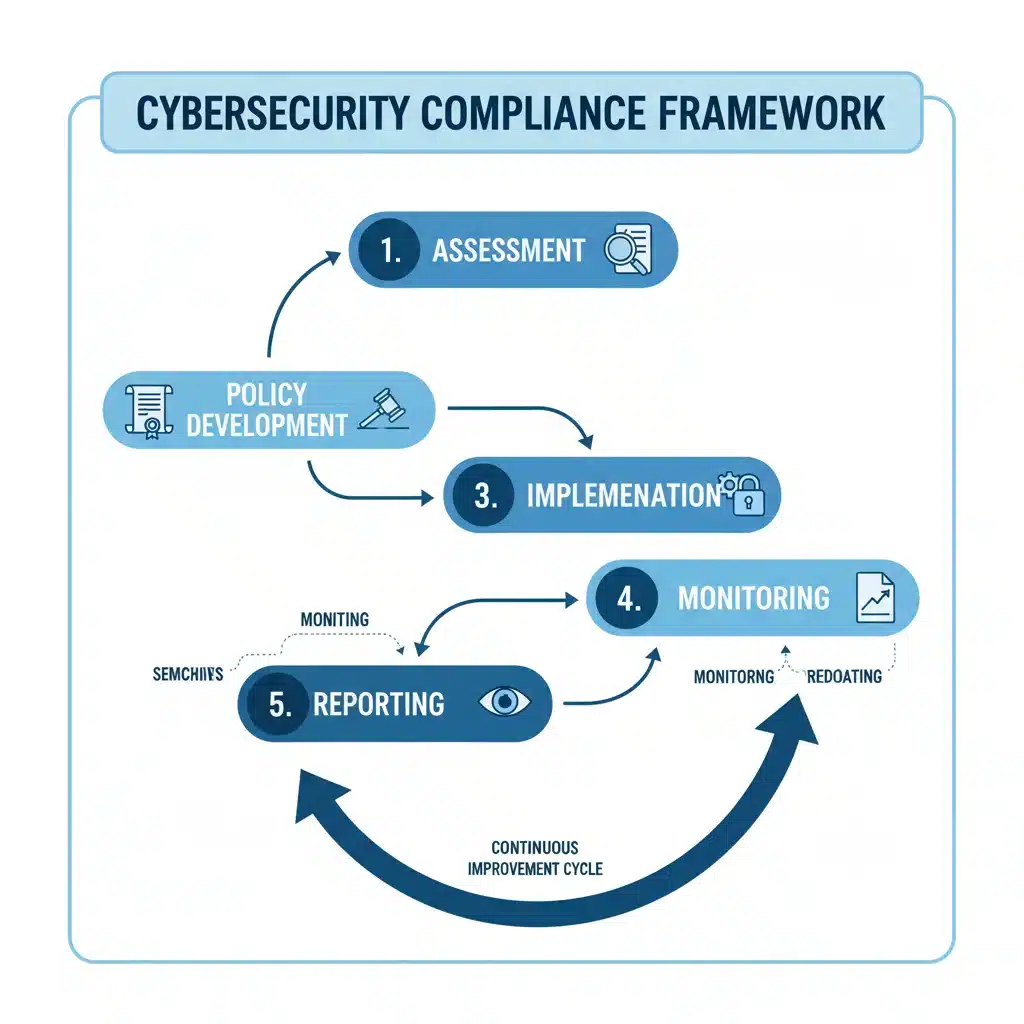
Step 1: Conduct a Comprehensive Gap Analysis
The first step is to understand where your organization currently stands against the anticipated requirements. This involves:
- Identify Applicable Mandates: Determine which specific regulations and frameworks will apply to your business based on your industry, government contracts, and data handling practices.
- Assess Current Security Posture: Evaluate your existing cybersecurity policies, procedures, technologies, and incident response capabilities against the expected mandates. Utilize frameworks like the NIST CSF to benchmark your current state.
- Inventory Data and Systems: Gain a clear understanding of all sensitive data your organization processes, stores, or transmits, and identify the systems that handle this data. This includes CUI, PII, and other critical business information.
- Identify Gaps: Document the discrepancies between your current state and the anticipated compliance requirements. Prioritize these gaps based on risk level and potential impact.
Step 2: Develop a Detailed Remediation Plan
Once gaps are identified, create a detailed plan to address them. This plan should include:
- Technology Upgrades: Identify necessary investments in new security tools (e.g., SIEM, EDR, DLP, advanced encryption solutions) or upgrades to existing infrastructure.
- Policy and Procedure Development: Draft or revise internal policies and procedures to align with the new mandates, covering areas like incident response, data handling, access control, and vendor management.
- Budget Allocation: Secure the necessary financial resources for technology, training, and potential third-party consulting services.
- Timeline and Responsibilities: Assign clear responsibilities for each task and establish realistic deadlines leading up to March 2026.
Step 3: Implement and Integrate New Controls and Processes
This is the execution phase. It’s not enough to simply acquire new tools; they must be effectively integrated and operationalized. This includes:
- Deploying New Technologies: Implement and configure security solutions according to best practices and mandate requirements.
- Training and Awareness: Conduct mandatory and ongoing cybersecurity awareness training for all employees, emphasizing their role in maintaining security and understanding new policies.
- Incident Response Drills: Regularly test your incident response plan through tabletop exercises and simulated cyberattacks to ensure your team can effectively detect, respond to, and report incidents within the mandated timelines.
- Supply Chain Engagement: Begin communicating with your vendors and suppliers about their own cybersecurity obligations and work with them to ensure their compliance.
Step 4: Continuous Monitoring and Improvement
Compliance with federal cybersecurity mandates is an ongoing journey, not a destination. Establish mechanisms for continuous monitoring and improvement:
- Security Information and Event Management (SIEM): Implement or enhance SIEM solutions to aggregate and analyze security logs, providing real-time visibility into your network.
- Regular Audits and Assessments: Schedule internal and external audits to periodically review your compliance posture and identify any new vulnerabilities or gaps.
- Threat Intelligence Integration: Stay abreast of emerging cyber threats and adapt your security controls accordingly.
- Documentation: Maintain meticulous records of all cybersecurity policies, procedures, incident responses, training, and compliance activities. This documentation will be crucial during audits.
The Role of Leadership and Culture in Cybersecurity Compliance
Achieving compliance with these new federal cybersecurity mandates is not solely an IT department responsibility; it requires a top-down commitment from leadership and a pervasive culture of security throughout the organization. Without executive buy-in and sufficient resources, even the most well-intentioned plans will falter.
Leadership’s Commitment
Boards of directors and senior management must:
- Prioritize Cybersecurity: Elevate cybersecurity to a strategic business imperative, not just a technical issue.
- Allocate Resources: Provide adequate funding for technology, personnel, and training.
- Understand Risk: Actively participate in understanding the organization’s cyber risk profile and the implications of non-compliance.
- Appoint CISO/Security Leadership: Ensure there is a competent individual or team responsible for overseeing cybersecurity strategy and compliance.
Fostering a Security-First Culture
Every employee plays a critical role in cybersecurity. A strong security culture is built through:
- Regular Training: Beyond mandatory training, foster continuous learning and reinforce best practices.
- Clear Communication: Ensure employees understand their responsibilities and the importance of cybersecurity.
- Reporting Mechanisms: Establish clear and easy-to-use channels for employees to report suspicious activities without fear of reprisal.
- Positive Reinforcement: Recognize and reward employees who demonstrate strong security practices.
A proactive and engaged workforce can be your strongest defense against cyber threats, turning compliance into a collective organizational effort.
Potential Challenges and How to Overcome Them
While the benefits of enhanced security are clear, businesses will undoubtedly face challenges in meeting these new federal cybersecurity mandates. Anticipating these hurdles can help organizations prepare more effectively:
1. Resource Constraints (Especially for SMEs)
Many small and medium-sized businesses lack the internal cybersecurity expertise and budget of larger corporations. This is a significant concern given the broad impact of the mandates.
- Solution: Explore managed security service providers (MSSPs) who specialize in compliance. Leverage government resources and grants that may become available to assist SMEs. Focus on implementing foundational controls first and scale up as resources allow. Consider shared services or industry-specific consortia for compliance efforts.
2. Complexity and Evolving Nature of Threats
The cybersecurity landscape is dynamic, and mandates can be complex to interpret and implement, especially for organizations with legacy systems.
- Solution: Engage with cybersecurity consultants or legal experts specializing in federal compliance. Focus on adopting adaptable frameworks like NIST CSF that provide a flexible and scalable approach to security. Invest in continuous education for your IT and security teams.
3. Supply Chain Compliance
Ensuring compliance across a vast and diverse supply chain can be daunting, as businesses have limited control over their third-party partners.
- Solution: Implement rigorous vendor risk management programs. Develop standardized security questionnaires and require contractual agreements that mandate compliance. Consider security ratings services to continuously monitor vendor security posture. Foster collaborative relationships with key suppliers to help them achieve compliance.
4. Data Management and Classification
Accurately identifying, classifying, and protecting CUI and other sensitive data across disparate systems can be a monumental task.
- Solution: Implement data discovery and classification tools. Develop clear data governance policies. Focus on data minimization principles, only collecting and retaining data that is absolutely necessary. Segment networks and systems based on data sensitivity to limit exposure.

The Long-Term Benefits of Compliance
While the immediate focus will be on meeting the March 2026 deadline, it’s crucial to recognize that complying with these federal cybersecurity mandates offers significant long-term benefits beyond simply avoiding penalties:
- Enhanced Trust and Reputation: Demonstrating a strong commitment to cybersecurity builds trust with customers, partners, and stakeholders, positioning your business as a reliable and secure entity.
- Improved Competitive Advantage: For many businesses, compliance will become a prerequisite for securing federal contracts and partnerships. Those who are compliant will have a distinct advantage.
- Reduced Risk of Breaches: A robust security posture significantly lowers the likelihood and impact of successful cyberattacks, protecting sensitive data, intellectual property, and operational continuity.
- Lower Insurance Premiums: Strong cybersecurity practices and documented compliance can lead to more favorable terms and lower premiums for cyber insurance policies.
- Operational Efficiency: Implementing structured security controls often leads to better IT governance, streamlined processes, and improved overall operational efficiency.
- Better Incident Response: The emphasis on incident reporting and planning means organizations will be better equipped to respond to and recover from cyber incidents, minimizing downtime and financial losses.
Conclusion: A Call to Action for U.S. Businesses
The new federal cybersecurity mandates represent a pivotal moment for U.S. businesses. Starting March 2026, the landscape of digital security will fundamentally change, requiring a proactive, comprehensive, and sustained effort from organizations across nearly every sector. The ‘wait and see’ approach is no longer viable. The stakes are too high, with potential fines, loss of federal contracts, reputational damage, and the ever-present threat of debilitating cyberattacks looming large.
Businesses must embark on their compliance journey now. This involves understanding the specific requirements that apply to them, conducting thorough gap analyses, investing in appropriate technologies and training, and fostering a culture where cybersecurity is everyone’s responsibility. While challenging, this concerted effort will not only ensure compliance but will also fortify national digital infrastructure, protect sensitive information, and ultimately, strengthen the resilience and competitiveness of U.S. businesses in an increasingly interconnected and threat-laden world. The future of digital security for 80% of U.S. businesses begins with preparation today.