
The 2026 Guide to SNAP Benefits: Increasing Your Monthly Allocation by 10% With These Tips
In an ever-evolving economic landscape, ensuring access to nutritious food remains a paramount concern for many families and individuals across the United States. The Supplemental Nutrition Assistance Program (SNAP), formerly known as food stamps, serves as a crucial lifeline, providing financial assistance to help low-income households purchase healthy food. As we approach 2026, understanding the latest regulations, eligibility criteria, and strategies to maximize your benefits is more important than ever. This comprehensive guide will walk you through the essential steps to potentially increase your monthly SNAP benefits by 10% or more, ensuring you and your family have the resources needed to thrive.
Anúncios
The federal government, in conjunction with state agencies, regularly reviews and updates SNAP policies to reflect changes in the cost of living, poverty thresholds, and economic conditions. These adjustments can significantly impact your monthly allocation. Our focus here is to equip you with the knowledge to navigate these changes effectively and ensure you are receiving the maximum possible support. We will delve into key areas such as income and resource limits, deductions, reporting requirements, and special programs that can enhance your SNAP benefits in 2026.
Understanding the nuances of the SNAP program can often feel daunting, but with the right information, you can optimize your application and reporting processes. Our goal is to demystify these complexities and provide actionable advice that can lead to a tangible increase in your food assistance. By the end of this article, you will have a clear roadmap to not only maintain but also enhance your SNAP benefits, potentially seeing an uplift of at least 10% in your monthly allocation.
Anúncios
Understanding SNAP Benefits in 2026: The Basics
Before we dive into strategies for increasing your allocation, it’s crucial to have a solid understanding of how SNAP benefits are calculated and what the foundational eligibility requirements are for 2026. SNAP is a federal program administered by individual states, meaning there can be slight variations in application processes and certain rules from one state to another. However, the core federal guidelines remain consistent.
Eligibility Criteria for SNAP Benefits
To qualify for SNAP benefits, households must meet specific income and resource limits. These limits are typically based on the federal poverty level and are adjusted annually. For 2026, it is anticipated that these thresholds will continue to reflect inflationary pressures and the cost of living. Generally, your household’s gross monthly income (before deductions) must be at or below 130% of the federal poverty level, and your net monthly income (after deductions) must be at or below 100% of the federal poverty level. Some households, particularly those with elderly or disabled members, may have slightly different criteria.
Resource limits also play a role. For most households, countable resources (like bank accounts) must be at or below $2,750. However, for households with at least one member aged 60 or older, or a member with a disability, the resource limit is typically higher, often around $4,250. It’s important to note that certain assets, such as your home, vehicles (within limits), and retirement savings, are usually not counted as resources.
How SNAP Benefits Are Calculated
Your monthly SNAP benefits are determined by a formula that considers your household’s size, income, and certain allowable deductions. The maximum benefit amount is set federally and varies by household size. The actual amount you receive is calculated by subtracting 30% of your household’s net income from the maximum benefit amount for your household size. This means that the lower your net income, the higher your SNAP benefits will be, up to the maximum.
This foundational understanding of eligibility and calculation is the first step towards effectively working to increase SNAP benefits. Knowing these basics will help you identify areas where you might be able to optimize your situation to receive a higher monthly allocation.
Key Strategies to Increase Your SNAP Benefits by 10%
Now, let’s explore actionable strategies that can help you significantly increase your monthly SNAP benefits. These tips focus on ensuring all eligible deductions are claimed, accurately reporting household changes, and leveraging additional programs.
1. Maximize Your Deductions: The Low-Income Secret
One of the most effective ways to increase your SNAP benefits is by ensuring you claim all allowable deductions. Deductions reduce your household’s net income, which, as explained earlier, directly leads to a higher benefit amount. Many eligible households unknowingly miss out on these crucial deductions. For 2026, be particularly diligent about the following:
- Standard Deduction: All households receive a standard deduction, which varies by household size. Ensure this is correctly applied.
- Earned Income Deduction: If any household member has earned income, 20% of that income is disregarded. This is automatically applied, but it’s good to be aware of its impact.
- Dependent Care Deduction: If you pay for childcare or care for an incapacitated adult so that a household member can work, look for work, or attend school/training, these costs are deductible. Keep meticulous records of these expenses.
- Medical Expense Deduction: For elderly or disabled household members, out-of-pocket medical expenses exceeding $35 per month (after reimbursement) are deductible. This includes doctor visits, prescriptions, medical supplies, and even transportation to medical appointments. This deduction can be substantial.
- Shelter Deduction: This is often the largest deduction. It includes rent or mortgage payments, property taxes, homeowner’s insurance, and utilities. Your shelter deduction is capped unless you are an elderly or disabled household member.
- Utility Costs: Beyond the basic shelter deduction, many states offer a Standard Utility Allowance (SUA) or actual utility deductions. The SUA allows households to claim a fixed amount for utilities (heating, cooling, electricity, water, trash, and phone) without having to prove actual costs, simplifying the process and often resulting in a higher deduction. Inquire about your state’s SUA options.
By diligently tracking and reporting these expenses, you can significantly lower your net income, thereby increasing your SNAP benefits. A careful review of your household expenses against these deduction categories could easily lead to a 10% or more increase in your monthly allocation.
2. Accurately Report All Household Changes
Life circumstances change, and promptly reporting these changes to your SNAP agency is vital. While some changes might seem minor, they can have a substantial impact on your eligibility and benefit amount. For 2026, pay close attention to:
- Income Changes: Any increase or decrease in household income must be reported. While an income increase might reduce benefits, an income decrease will likely increase them.
- Household Composition Changes: If someone moves into or out of your household, or if there’s a birth or death, this affects household size and potentially income and deductions.
- Expense Changes: Significant changes in housing costs (rent/mortgage), utility bills, or medical expenses should be reported. For example, if your rent increases or you start incurring new medical costs, reporting these could increase your shelter or medical deductions.
- Disability Status: If a household member becomes disabled, this can open doors to higher resource limits and significant medical expense deductions.
Timely reporting is not just about compliance; it’s about ensuring your SNAP benefits accurately reflect your current needs. Delaying reports, especially for decreased income or increased expenses, means you might be receiving less than you’re entitled to.
3. Understand and Utilize Specific State Programs and Waivers
While SNAP is a federal program, states have some flexibility in its administration. This means certain waivers or state-specific programs might exist that could benefit you. In 2026, research what your state offers:
- Broad-Based Categorical Eligibility (BBCE): Many states use BBCE, which allows households receiving certain non-cash Temporary Assistance for Needy Families (TANF) benefits to be automatically eligible for SNAP, bypassing traditional gross income and resource limits. This can be a huge advantage for many families.
- Simplified Reporting: Some states offer simplified reporting options, where households only need to report changes if their income goes above a certain threshold. This can reduce the burden of frequent reporting for stable households, but it’s crucial to understand the thresholds.
- Employment and Training (E&T) Programs: Many states offer SNAP E&T programs that provide job search assistance, training, and education. Participation might not directly increase your benefits, but it can lead to stable employment, ultimately improving your financial stability.
- Homeless Shelter Deduction: If you are experiencing homelessness, some states offer a specific deduction for shelter costs, even if you don’t have traditional rent or mortgage payments.
Contact your state’s SNAP agency or visit their official website to inquire about any unique programs or waivers that might apply to your situation. These state-level initiatives are often overlooked but can provide significant advantages.
The Application Process and Recertification in 2026
Whether you’re a new applicant or need to recertify, understanding the process is key to maintaining and increasing your SNAP benefits.
Applying for SNAP Benefits
The application process typically involves submitting an application (online, in person, or by mail), followed by an interview (often by phone), and verification of your information. For 2026, ensure you have all necessary documentation ready:
- Proof of identity and residency
- Social Security numbers for all household members
- Proof of income (pay stubs, benefit letters, self-employment records)
- Proof of resources (bank statements)
- Proof of deductible expenses (rent/mortgage statements, utility bills, medical bills, dependent care receipts)
Providing complete and accurate information upfront can expedite the process and ensure your initial benefit calculation is as high as possible. Don’t leave out any deductible expenses, as this is where many people miss out on higher benefits.
Recertification: Don’t Let Your Benefits Lapse
SNAP benefits are not permanent; you must recertify periodically (usually every 6-12 months) to continue receiving them. The recertification process is similar to the initial application, requiring updated information on your income, household, and expenses. Mark your calendar for your recertification date and submit all required documentation well in advance.
Missing your recertification deadline can lead to a temporary lapse in benefits, which can be disruptive. Use the recertification period as an opportunity to review all your current expenses and ensure you are claiming every possible deduction to maintain or even increase your SNAP benefits for the next cycle.
Common Pitfalls to Avoid When Aiming to Increase SNAP Benefits
While striving to increase your SNAP benefits, it’s equally important to be aware of common mistakes that could inadvertently reduce or jeopardize your assistance.
Incomplete or Inaccurate Reporting
One of the most frequent issues is providing incomplete or inaccurate information. This can lead to delays in processing, incorrect benefit calculations, or even accusations of fraud. Always double-check your application and reporting forms for accuracy. If you’re unsure about what to report, it’s better to ask your caseworker than to guess.
Failing to Report Changes Promptly
As mentioned, timely reporting is critical. Not reporting an increase in income could result in an overpayment that you’ll have to pay back. Conversely, not reporting a decrease in income or an increase in expenses means you’re missing out on potentially higher SNAP benefits. Understand your state’s reporting requirements (e.g., simplified reporting versus change reporting) and adhere to them strictly.
Ignoring Available Deductions
This is a major missed opportunity for many households. The difference between a household that claims all its eligible deductions and one that doesn’t can be significant, easily impacting your monthly allocation by 10% or more. Take the time to gather all receipts and documentation for medical expenses, dependent care, and utility costs. Don’t assume an expense isn’t deductible; always inquire.
Not Understanding State-Specific Rules
While federal guidelines provide the framework, state agencies implement SNAP with some variations. What might be deductible or allowed in one state might differ slightly in another. Familiarize yourself with your specific state’s SNAP rules and regulations to ensure you’re leveraging all available opportunities. Your state’s Department of Social Services or Human Services website is an excellent resource.

Beyond Basic SNAP: Additional Resources and Support
Increasing your SNAP benefits is a vital step, but it’s also important to be aware of other programs and resources that can complement your food assistance and support overall well-being.
Farmers’ Markets and Produce Incentives
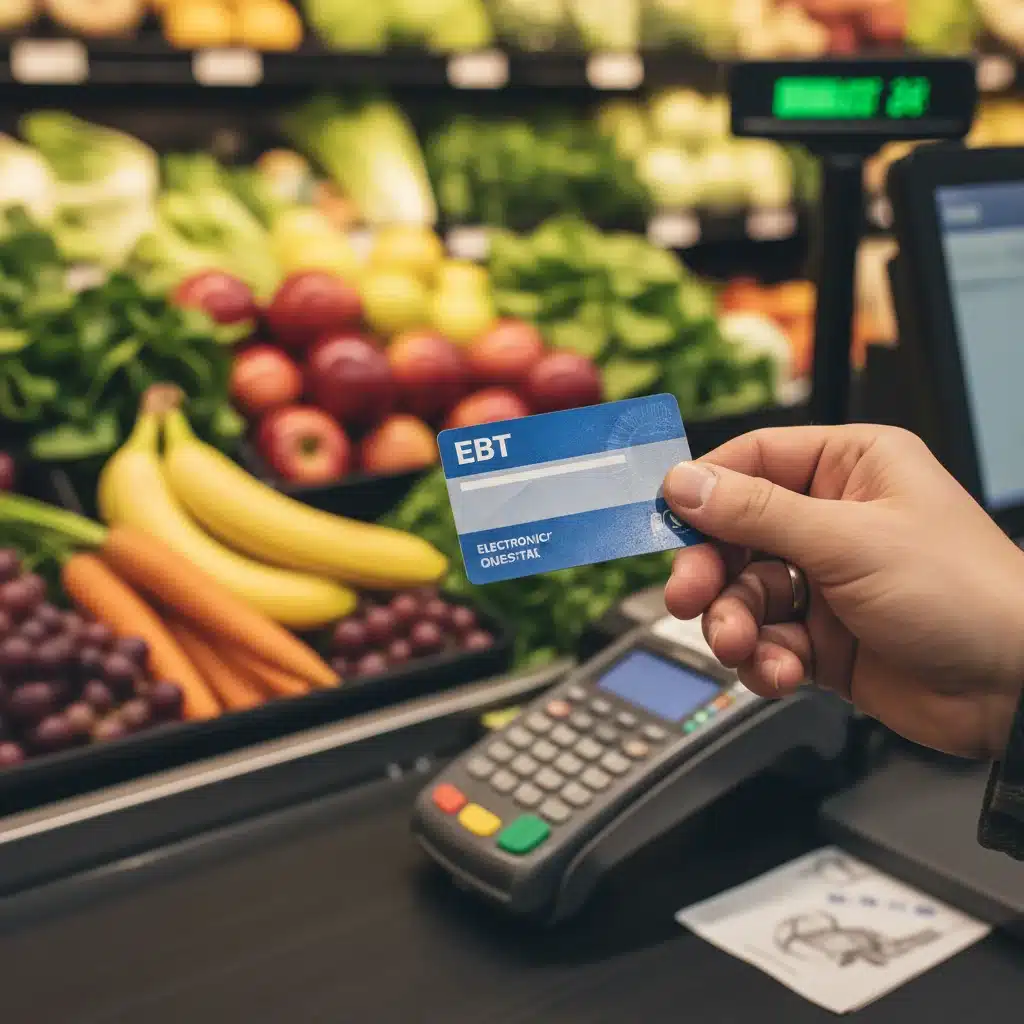
Many farmers’ markets now accept EBT cards, and some offer incentive programs (like ‘Double Up Food Bucks’) where your SNAP dollars are matched when spent on fresh produce. This effectively doubles your purchasing power for healthy fruits and vegetables, extending the value of your SNAP benefits significantly.
WIC (Special Supplemental Nutrition Program for Women, Infants, and Children)
If you are pregnant, a new mother, or have children under five, you may be eligible for WIC. This program provides nutritious foods, nutrition education, and healthcare referrals, complementing SNAP by ensuring specific nutritional needs are met for vulnerable populations.
Food Banks and Pantries
Local food banks and pantries can provide emergency food assistance and supplement your monthly SNAP allocation, especially during times of unexpected hardship or when your benefits might not fully cover your needs. These organizations often have information about other local resources as well.
Local Community Resources
Many communities have organizations dedicated to helping individuals and families navigate social services. They can offer personalized assistance with SNAP applications, understanding deductions, and connecting you with other forms of aid, such as housing assistance, utility assistance, or employment services. Don’t hesitate to seek out these valuable local resources.
Advocacy and Policy Changes
Staying informed about potential policy changes at both federal and state levels is also important. Advocacy groups often work to expand SNAP eligibility, increase benefit amounts, and make the program more accessible. While not a direct strategy to increase your individual benefits, supporting or being aware of these efforts can contribute to a stronger food safety net for everyone.
Conclusion: Empowering Yourself to Increase SNAP Benefits in 2026
Navigating the landscape of government assistance programs can be challenging, but with the right knowledge and proactive approach, you can significantly impact your household’s food security. By focusing on maximizing deductions, diligently reporting changes, and understanding state-specific nuances, you are well-positioned to increase SNAP benefits, potentially by 10% or more, in 2026.
Remember, SNAP is designed to be a supportive program, and utilizing it effectively is a sign of responsible financial management. Don’t underestimate the power of accurate reporting and attention to detail. Every deduction claimed, and every change reported, contributes to a more accurate and often higher benefit amount. Take the time to review your household’s financial situation, gather all necessary documentation, and communicate openly with your SNAP caseworker.
The goal is not just to receive benefits, but to receive the maximum SNAP benefits you are eligible for, ensuring your family has consistent access to nutritious food. By following the tips and strategies outlined in this 2026 guide, you can confidently work towards increasing your monthly food allocation and strengthening your household’s foundation for a healthier, more stable future. Stay informed, stay proactive, and empower yourself to make the most of the SNAP program.