Risk management techniques for stock portfolios

Anúncios
Effective risk management techniques for stock portfolios include diversification, regular risk assessment, stop-loss orders, and ongoing monitoring to minimize potential losses and improve investment outcomes.
Risk management techniques for stock portfolios play a crucial role in helping investors navigate the volatile market landscape. Whether you’re just starting or have years of experience, knowing how to manage risk can safeguard your investments and enhance your financial growth. Ready to delve into practical strategies?
Anúncios
Understanding the basics of risk management
Understanding risk management is vital for any investor who wants to maintain and grow their stock portfolio. By grasping the basics of risk management, investors can make informed decisions that minimize potential losses.
Risk management involves identifying, analyzing, and responding to risk factors that could hinder investment performance. Investors should start by recognizing the various types of risks they might face, including market risk, credit risk, and operational risk.
Anúncios
Types of Risks to Consider
There are several key types of risks that can impact stock portfolios:
- Market Risk: This refers to the risk of losses due to fluctuations in market prices.
- Credit Risk: The risk that a borrower will default on a financial obligation.
- Operational Risk: Risks arising from internal processes, systems, and people.
To manage these risks, investors can implement various strategies. For instance, diversification is a popular technique that involves spreading investments across different financial instruments to reduce exposure to any single asset.
Diversification Explained
Diversification not only helps in mitigating risk but also enhances the potential for returns. By investing in a variety of sectors, such as technology, healthcare, and consumer goods, investors can protect their portfolios from significant declines in one area. It’s important to regularly review and adjust your investments to ensure they align with your risk tolerance and financial goals.
Another effective approach is using stop-loss orders. These orders automatically sell stocks once they reach a certain price, preventing further losses. This strategy is particularly useful in volatile markets where prices can swing dramatically in a short time.
Implementing Risk Management
To successfully manage risks, consider these steps:
- Assess your tolerance for risk and adjust your portfolio accordingly.
- Stay informed about market trends and economic indicators.
- Regularly review your investment strategy and make adjustments as needed.
Incorporating these risk management techniques into your investment strategy can significantly enhance your ability to navigate the stock market effectively.
Key techniques for effective risk mitigation
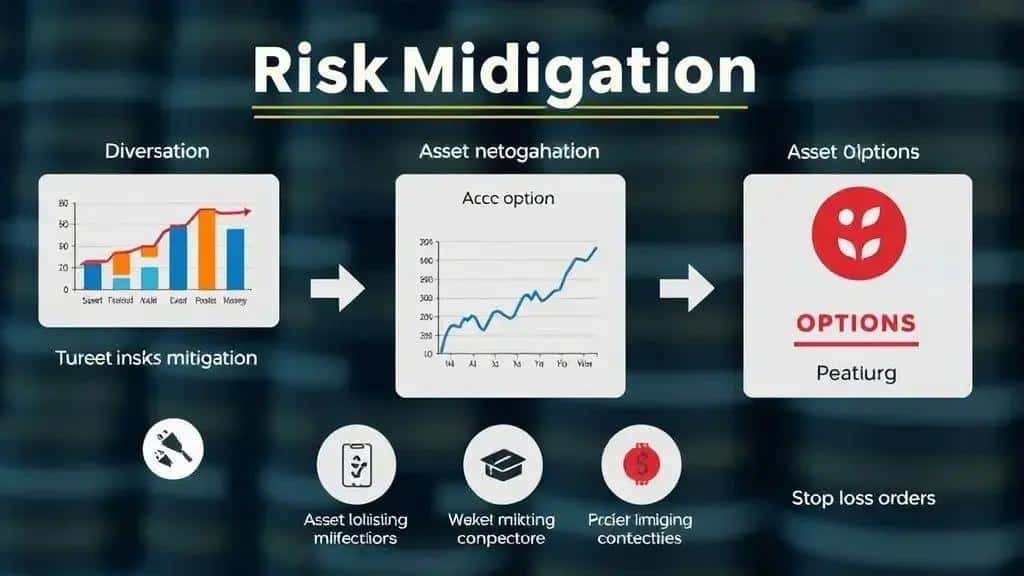
Effective risk mitigation is essential for protecting your stock portfolio. By applying key techniques, investors can minimize potential losses while aiming for higher returns.
Among the most effective strategies are diversification, asset allocation, and the use of hedging techniques. Diversification spreads investments across various assets, reducing the impact if one investment performs poorly. Instead of concentrating on a single stock or sector, consider a mix of assets like stocks, bonds, and real estate.
Implementing Asset Allocation
Asset allocation is about distributing your investments among different categories. This method balances risk and reward based on your financial goals and risk tolerance. For instance, a younger investor may choose a higher allocation in stocks for growth, while someone nearing retirement might prefer bonds for stability.
- Assess your risk tolerance regularly.
- Allocate a percentage of your portfolio to equities, fixed income, and cash.
- Rebalance your portfolio periodically to maintain your desired allocation.
Another effective method is using hedging. Hedging involves taking a position in one investment to offset potential losses in another. Options and futures are common tools used for hedging, allowing investors to protect against adverse price movements.
Utilizing Stop-Loss Orders
Using stop-loss orders can help mitigate risks significantly. A stop-loss order automatically sells a security when it reaches a specific price, which can prevent further losses during a downtrend. This strategy allows investors to stick to their investment strategy without letting emotions dictate their decisions.
Finally, regular monitoring of your investments is crucial. Stay informed about market changes and adjust your strategies as necessary. Whether it’s market trends or economic news, being proactive helps manage risks better.
Incorporating these techniques into your portfolio strategy empowers you to navigate challenges confidently. With effective risk mitigation, you can maintain your portfolio’s health and aim for sustainable growth.
How to implement a risk management strategy
Implementing a risk management strategy is essential for protecting your investments and ensuring long-term financial success. Knowing how to effectively develop and execute this strategy can greatly benefit your stock portfolio.
Start by clearly identifying your investment goals and the level of risk you are comfortable with. This initial assessment will guide your entire strategy and help you make informed decisions. Once you have defined your goals, it’s time to evaluate the risks associated with your investments. This involves analyzing market trends and understanding how various factors can impact your portfolio.
Risk Assessment and Analysis
Conducting a thorough risk assessment is a crucial step. Take the time to:
- Identify significant risks, including market volatility and economic changes.
- Analyze how these risks could affect your portfolio performance.
- Determine your risk tolerance based on financial stability and investment goals.
Once you understand your risk profile, you can begin to develop your strategy. This might involve diversifying your investments, which spreads out risk and reduces exposure to any single asset or market sector.
Creating the Strategy
Your risk management strategy should include clear guidelines for buying and selling investments. Establishing stop-loss orders is a popular method to limit potential losses. A stop-loss order automatically sells assets once they hit a predetermined price, preventing further losses when market conditions worsen.
Regularly monitoring your investments is also key to managing risks effectively. Adjust your strategy based on market conditions and performance metrics. By staying proactive, you can make necessary changes that align with your risk tolerance and investment goals.
Ongoing Evaluation
Continuously evaluate the effectiveness of your risk management strategy by tracking your portfolio’s performance. Consider using a risk management software that helps analyze and visualize risk data. You should also review your investment goals periodically to ensure they remain relevant.
Ultimately, a well-implemented risk management strategy is an ongoing process. It requires commitment and adaptability to respond to changing market conditions.
Common pitfalls to avoid in risk management
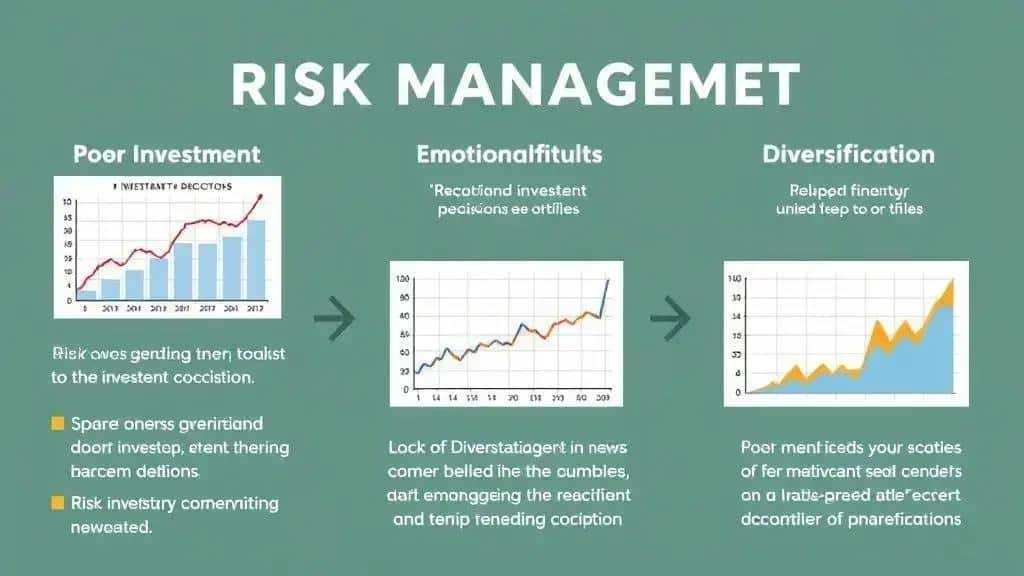
Avoiding common pitfalls in risk management is crucial for maintaining a healthy stock portfolio. Investing without a solid risk management plan can lead to significant losses. It’s important to recognize these pitfalls to protect your investments.
One major mistake investors make is failing to regularly assess their risk tolerance. As personal circumstances and market conditions change, so too should your approach to risk. Investors should reassess their risk profiles periodically, ensuring that their strategy aligns with their current financial situation.
Lack of Diversification
Another common pitfall is not diversifying investments. Relying too heavily on one stock or sector can expose you to greater risk. Diversification involves spreading your investments across various sectors or asset classes.
- Invest in different sectors, such as technology, healthcare, and consumer goods.
- Include various asset classes like stocks, bonds, and real estate.
- Aim for a balanced portfolio to reduce volatility and risk exposure.
Limiting your investments to a few areas can lead to underperformance if those sectors face downturns.
Neglecting Market Research
It’s also easy to overlook the importance of conducting thorough market research. Investors who fail to stay informed about market trends may miss out on crucial information that influences their portfolios. Engaging in regular research can help you spot potential risks and opportunities.
An additional pitfall is emotional decision-making. Many investors make hasty decisions based on fear or greed, which can lead to poor investment choices. It’s important to stick to your strategy and avoid making impulsive decisions during market volatility. Stay disciplined and rely on your carefully developed risk management strategy.
Overreacting to Market Fluctuations
Overreacting to short-term market fluctuations can also cause problems. Investors who sell during a downturn often realize losses instead of waiting for recovery. It’s better to stay focused on your long-term goals and trust your risk management approach.
Recognizing and avoiding these common pitfalls can help investors navigate risk more effectively. By adjusting your strategy as needed, staying informed, and diversifying your portfolio, you can shield yourself from unnecessary losses.
FAQ – Frequently Asked Questions about Risk Management Techniques for Stock Portfolios
What is risk management in investing?
Risk management in investing involves identifying, assessing, and mitigating risks that could negatively impact your investment portfolio.
How can diversification help my investments?
Diversification helps spread risk across different asset classes, reducing the impact of a poor-performing investment on your overall portfolio.
What are stop-loss orders?
Stop-loss orders are instructions to sell a stock when it reaches a certain price, allowing investors to limit potential losses.
Why is regular monitoring important?
Regular monitoring of investments allows you to stay informed about market conditions and make necessary adjustments to your risk management strategy.