White House Unveils Major 2026 Infrastructure Spending Package: 5 Key Sectors Targeted
Anúncios
Exclusive: White House Unveils Major Infrastructure Spending Package for 2026 Targeting 5 Key Sectors
In a groundbreaking move set to redefine America’s future, the White House has officially announced a comprehensive infrastructure spending 2026 package. This monumental initiative, poised to inject trillions into the national economy, is specifically designed to modernize the nation’s foundational systems, stimulate unprecedented economic growth, and create millions of high-paying jobs across the country. This article delves into the exclusive details of this ambitious plan, highlighting the five critical sectors earmarked for significant investment and their projected impact.
Anúncios
A Vision for a Resilient America: The Core of the 2026 Infrastructure Spending
The Biden administration’s new infrastructure spending 2026 package is not merely a collection of projects; it’s a strategic blueprint for a more resilient, competitive, and equitable America. Recognizing the urgent need to address decades of underinvestment in vital public works, this plan aims to tackle everything from crumbling roads and bridges to outdated energy grids and limited broadband access. The overarching goal is to position the United States as a global leader in infrastructure, innovation, and sustainability for the 21st century and beyond.
The package emphasizes a ‘build back better’ philosophy, focusing on projects that not only repair and replace but also upgrade and innovate. This includes integrating cutting-edge technologies, promoting environmental sustainability, and ensuring that the benefits of economic development reach all communities, especially those historically underserved. The scale of this investment is unprecedented, reflecting a deep commitment to long-term national prosperity.
Anúncios
Discussions around the infrastructure spending 2026 began several months ago, with key stakeholders from government, industry, and labor unions contributing to its formulation. The package reflects a consensus that robust infrastructure is the backbone of a strong economy and a prerequisite for national security and public well-being. This significant investment is expected to have a ripple effect, boosting various industries, from construction and manufacturing to technology and renewable energy.
Economic Impact and Job Creation: A Detailed Outlook
One of the primary drivers behind the infrastructure spending 2026 is its potential for massive job creation. Economists project that the package could generate millions of direct and indirect jobs over the next decade. These jobs will span a wide range of sectors, from skilled trades in construction and engineering to high-tech roles in cybersecurity and renewable energy development. The administration is also committed to ensuring that these new jobs are good-paying, union jobs, providing opportunities for upward mobility for American workers.
Furthermore, the improved infrastructure is expected to enhance economic efficiency and productivity. Better transportation networks will reduce shipping costs and travel times, while upgraded broadband will facilitate remote work and digital commerce. A more reliable and cleaner energy grid will support industrial growth and reduce operational expenses for businesses. These improvements will make the U.S. more attractive for domestic and international investment, fostering a virtuous cycle of economic expansion.
The long-term economic benefits are projected to be substantial. Studies indicate that every dollar invested in infrastructure can yield significant returns in terms of economic output. By addressing critical infrastructure deficits, the United States can avoid substantial economic losses due to inefficiencies and system failures. This forward-thinking approach is designed to create a durable foundation for sustained economic growth for generations to come.
Sector 1: Modernizing Transportation Networks
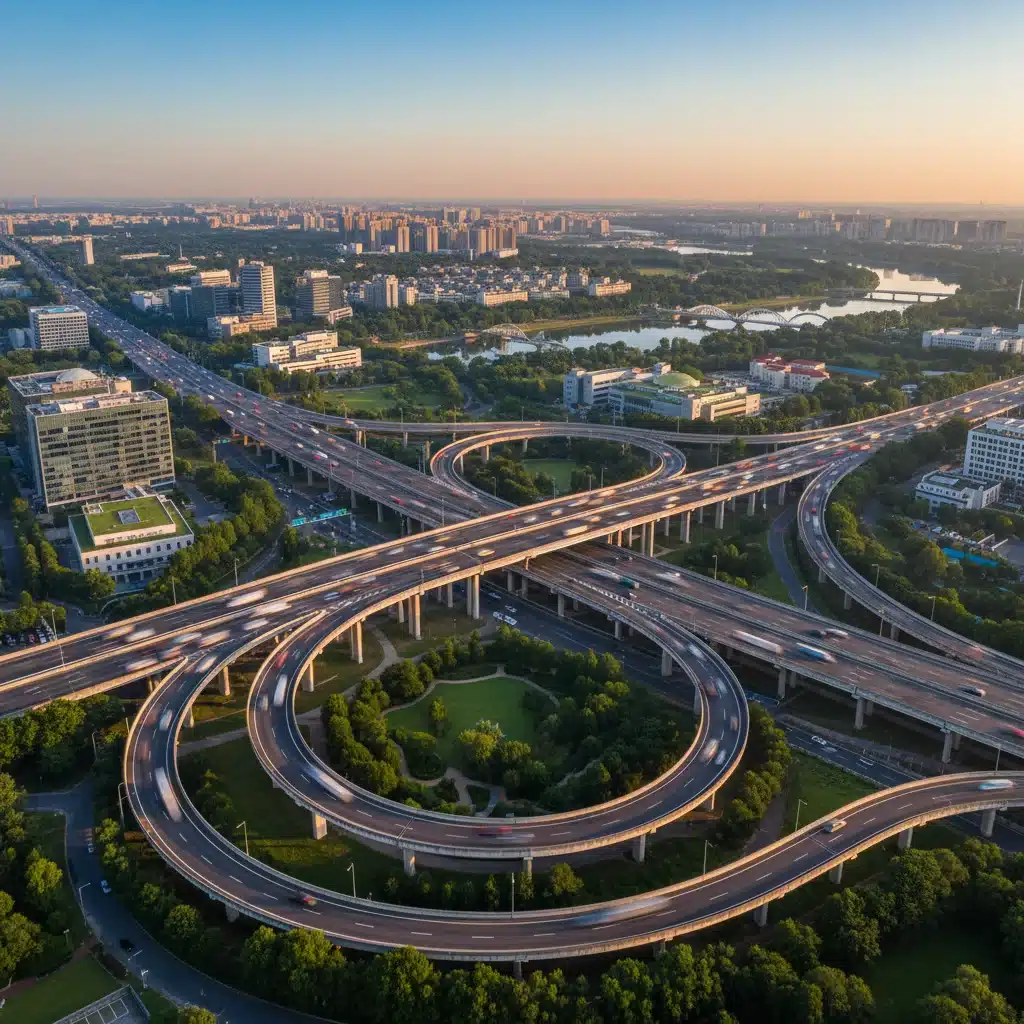
At the heart of the infrastructure spending 2026 package is a massive overhaul of America’s transportation infrastructure. This includes a multi-faceted approach to roads, bridges, public transit, airports, and ports. The goal is to create a seamless, efficient, and environmentally friendly transportation system that can meet the demands of a growing population and a dynamic economy.
Roads and Bridges: Repair, Rebuild, and Innovate
Billions are allocated to repair and rebuild the nation’s aging roads and bridges. Many of these critical structures are in disrepair, posing safety hazards and causing significant economic bottlenecks. The new funding will not only address immediate structural deficiencies but also incorporate advanced materials and construction techniques to ensure longevity and resilience against climate change impacts. This includes investments in ‘smart road’ technologies, such as integrated sensors for traffic management and autonomous vehicle support.
Public Transit Expansion and Modernization
The package also dedicates substantial resources to public transit. This involves expanding existing subway and bus networks, developing new high-speed rail corridors, and upgrading outdated rolling stock and stations. The aim is to provide more accessible, reliable, and sustainable public transportation options, reducing traffic congestion, lowering carbon emissions, and improving air quality in urban areas. Investments will also focus on making public transit more equitable, serving communities that currently lack adequate access.
Airports and Ports: Gateways to Global Commerce
America’s airports and ports are vital arteries for trade and travel, yet many are struggling with capacity issues and outdated facilities. The infrastructure spending 2026 will fund major upgrades to these gateways, including expanding terminals, modernizing cargo facilities, and improving intermodal connections. These enhancements will boost efficiency, reduce delays, and strengthen the U.S. position in global supply chains, facilitating both domestic and international commerce.
Sector 2: Expanding High-Speed Broadband Access
In the 21st century, reliable and affordable internet access is no longer a luxury but a fundamental necessity. The infrastructure spending 2026 package makes a significant commitment to closing the digital divide, ensuring that every American household and business has access to high-speed broadband. This initiative is critical for education, healthcare, economic development, and civic participation.
Universal Broadband Coverage
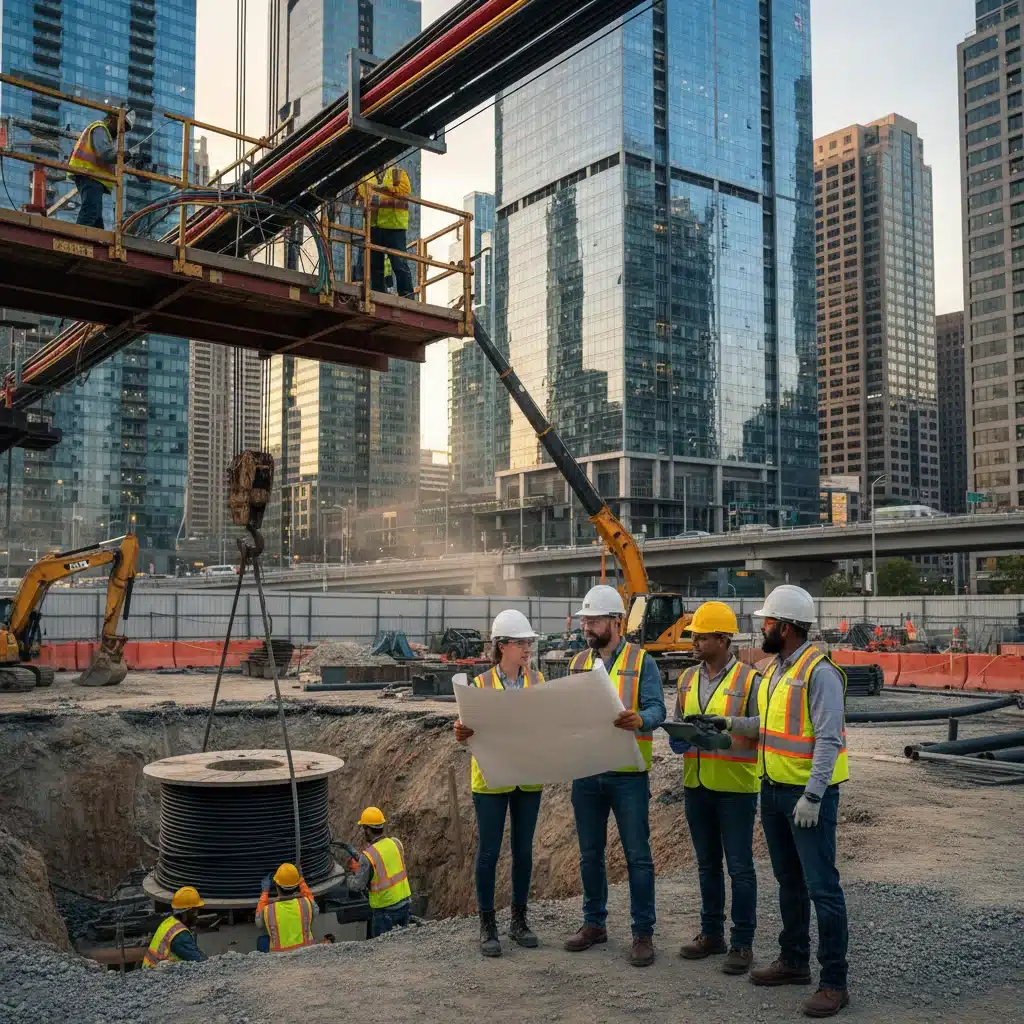
A primary goal is to achieve universal broadband coverage across the country, with a particular focus on rural and underserved urban areas where internet access is currently limited or non-existent. This involves deploying new fiber optic networks, expanding wireless infrastructure, and supporting innovative technologies to bring high-speed internet to every corner of the nation. The plan also includes provisions to make broadband more affordable for low-income families.
Digital Equity and Inclusion
Beyond physical infrastructure, the package addresses digital equity. This includes funding for digital literacy programs, providing devices to those who need them, and ensuring that communities have the skills and resources to fully utilize internet access. The aim is to empower individuals and small businesses to participate fully in the digital economy, fostering innovation and creating new opportunities.
Sector 3: Strengthening the Clean Energy Grid
Addressing climate change and transitioning to a clean energy economy is a cornerstone of the infrastructure spending 2026. This involves substantial investments in upgrading the nation’s power grid, promoting renewable energy sources, and enhancing energy efficiency across all sectors.
Modernizing the Power Grid
The U.S. power grid is aging and vulnerable to extreme weather events and cyberattacks. The package allocates funds to modernize the grid, making it more resilient, reliable, and capable of integrating a higher proportion of renewable energy. This includes investments in smart grid technologies, energy storage solutions, and transmission lines that can efficiently transport clean energy from generation sites to consumers.
Promoting Renewable Energy and Energy Efficiency
Significant investments are planned for accelerating the deployment of renewable energy technologies, such as solar, wind, and geothermal power. This includes tax incentives, research and development funding, and support for large-scale renewable energy projects. Additionally, the package promotes energy efficiency through retrofitting buildings, developing greener manufacturing processes, and incentivizing the adoption of energy-saving technologies in homes and businesses. The goal is to reduce carbon emissions, create green jobs, and enhance energy independence.
Sector 4: Upgrading Water Infrastructure
Access to clean, safe drinking water is a fundamental human right, yet many communities across the U.S. face challenges with aging water pipes, contaminated water sources, and inadequate wastewater treatment facilities. The infrastructure spending 2026 addresses these critical issues with substantial investments.
Replacing Lead Pipes and Ensuring Clean Water
A major focus of this sector is the replacement of all lead service lines nationwide. This ambitious undertaking will protect millions of Americans from lead contamination in their drinking water, particularly in vulnerable communities. Beyond lead pipe replacement, funds will be allocated to upgrade water treatment plants, improve water quality monitoring, and protect water sources from pollution. This ensures that all communities have access to safe and reliable drinking water.
Modernizing Wastewater and Stormwater Systems
The package also includes significant investments in modernizing wastewater treatment plants and improving stormwater management systems. This will reduce pollution in rivers and lakes, protect public health, and enhance ecological resilience. Investments in green infrastructure solutions, such as permeable pavements and rain gardens, will help manage stormwater runoff more effectively, mitigating flooding and improving water quality.
Sector 5: Investing in Resilience and Climate Adaptation
As the impacts of climate change become more pronounced, building resilience into infrastructure is paramount. The fifth key sector of the infrastructure spending 2026 package focuses on climate adaptation, hazard mitigation, and environmental remediation.

Protecting Against Extreme Weather Events
Funds will be directed towards projects that protect communities and infrastructure from the increasing frequency and intensity of extreme weather events, including floods, wildfires, and hurricanes. This involves building stronger seawalls and levees, restoring coastal wetlands, improving early warning systems, and hardening critical infrastructure against natural disasters. The aim is to minimize damage, save lives, and reduce the economic costs of disaster recovery.
Environmental Remediation and Ecosystem Restoration
The package also allocates resources for environmental remediation efforts, cleaning up hazardous waste sites, reclaiming abandoned mines, and restoring damaged ecosystems. These investments will improve public health, revitalize contaminated lands for productive use, and enhance biodiversity. By addressing legacy environmental issues, the plan contributes to a healthier and more sustainable future for all Americans.
Implementation Challenges and Opportunities
While the infrastructure spending 2026 package presents an unparalleled opportunity for national renewal, its successful implementation will require careful planning, coordination, and execution. Several challenges must be addressed, including workforce development, supply chain management, and bureaucratic hurdles.
Workforce Development and Training
The sheer scale of the projects envisioned will necessitate a significant expansion of the skilled labor force. The administration plans to invest in job training programs, apprenticeships, and vocational education to ensure a pipeline of qualified workers for construction, engineering, and technology roles. This focus on workforce development is crucial for maximizing the package’s job creation potential and ensuring that projects are completed efficiently and to high standards.
Supply Chain Resilience
With such a large demand for materials and equipment, ensuring resilient and efficient supply chains will be critical. The package includes provisions to strengthen domestic manufacturing capabilities, reduce reliance on foreign suppliers, and promote sustainable sourcing practices. This will help mitigate potential delays and cost overruns, while also supporting American industries.
Ensuring Equitable Distribution and Oversight
A key priority for the White House is to ensure that the benefits of the infrastructure spending 2026 are distributed equitably across all communities, particularly those that have been historically disadvantaged. Robust oversight mechanisms will be put in place to prevent waste, fraud, and abuse, ensuring that taxpayer dollars are used effectively and transparently. This includes performance metrics and regular reporting to track progress and accountability.
The Long-Term Vision: A Legacy of Progress
The infrastructure spending 2026 package represents more than just a financial investment; it is a commitment to a long-term vision for America. It aims to build a foundation that will support economic prosperity, environmental sustainability, and social equity for decades to come. By addressing critical needs in transportation, broadband, energy, water, and climate resilience, the United States is poised to emerge stronger, more competitive, and better prepared for the challenges and opportunities of the future.
This initiative is expected to foster a new era of American innovation, driving advancements in engineering, materials science, and digital technologies. The focus on green infrastructure and clean energy will accelerate the transition to a low-carbon economy, setting a global example for sustainable development. Furthermore, the commitment to digital equity and universal access will empower individuals and communities, fostering greater inclusion and opportunity.
The success of this package will ultimately depend on sustained political will, effective collaboration between federal, state, and local governments, and the dedicated efforts of millions of American workers. However, the comprehensive nature of the plan, coupled with its ambitious yet achievable goals, suggests a strong likelihood of creating a lasting positive impact on the nation’s infrastructure and its people.
Conclusion: A Transformative Moment for America
The White House’s infrastructure spending 2026 package is undeniably a transformative moment for the United States. By strategically targeting five crucial sectors – transportation, broadband, clean energy, water, and resilience – the administration is laying the groundwork for a more prosperous, sustainable, and equitable future. This historic investment promises not only to rebuild and modernize America’s physical backbone but also to ignite economic growth, create countless jobs, and strengthen the nation’s global standing. As the details unfold and projects begin, the impact of this ambitious plan will be felt across every community, signaling a new era of progress and opportunity for all Americans.